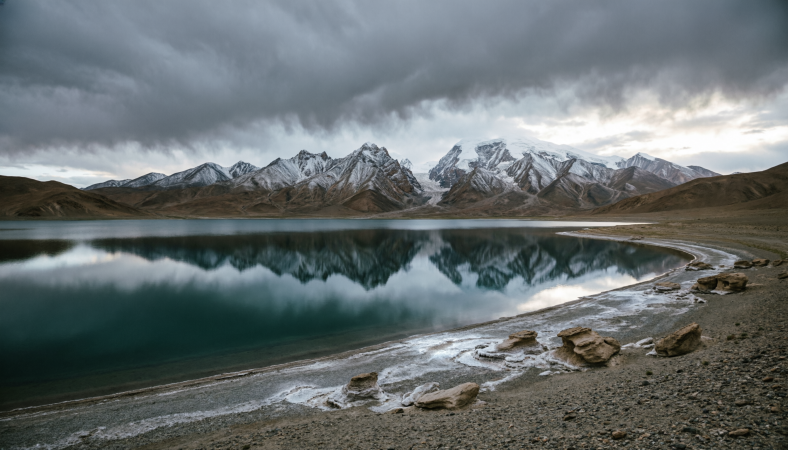
Packing for a big pilgrimage brings so many questions, and food is usually the one that worries people most. You are heading toward Mount Kailash, dealing with cold winds, tough climbs, and days that test the body in ways daily life never does. Naturally, you want to know if you will get enough to eat, and how to handle the long gaps between meals. Take a breath.
This blog walks you through exactly what lands on your plate during the yatra, so you can focus on the journey itself, not on hunger pangs.
Why Is Food Kept Minimal at High Altitude?
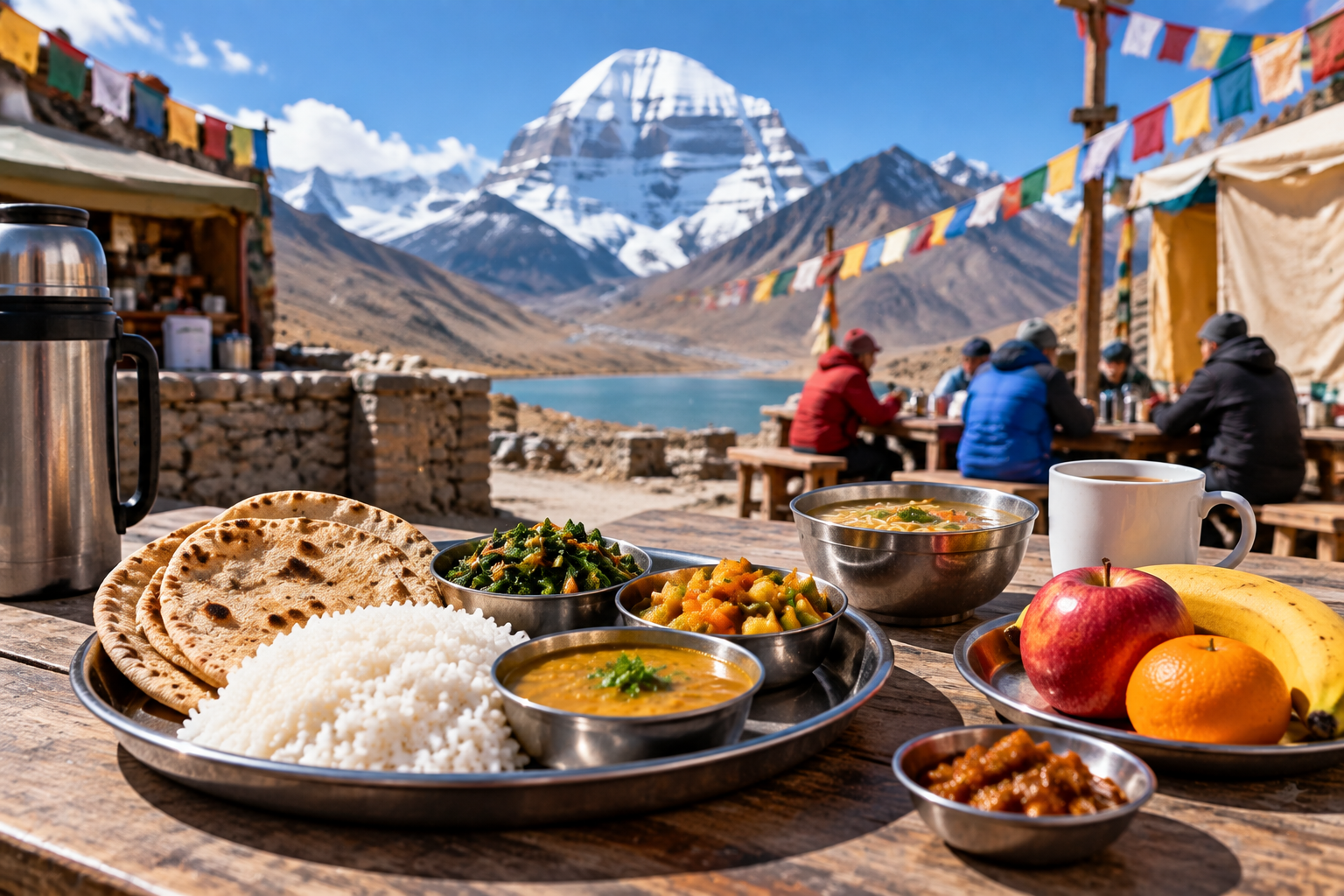
It is impossible to organise lavish meals on the yatra. This is due to the fact that the body requires light food at high altitudes. As a result, you will be offered vegetarian breakfast, lunch and dinner that will be prepared quickly and served hot. It is important that the digestion process slows down under the influence of thin air. Thus, fatty and greasy food may cause you discomfort, which is why camps prefer simple dishes.
Starting the Day: What Breakfast Usually Brings
Your days will begin early and a good breakfast will give you energy for it. Your breakfast will include poha, upma, paratha, bread or boiled eggs and tea and coffee. Such a hearty breakfast is required because you may spend quite a few hours until the next meal.
Lunch Time: When and How You Will Eat
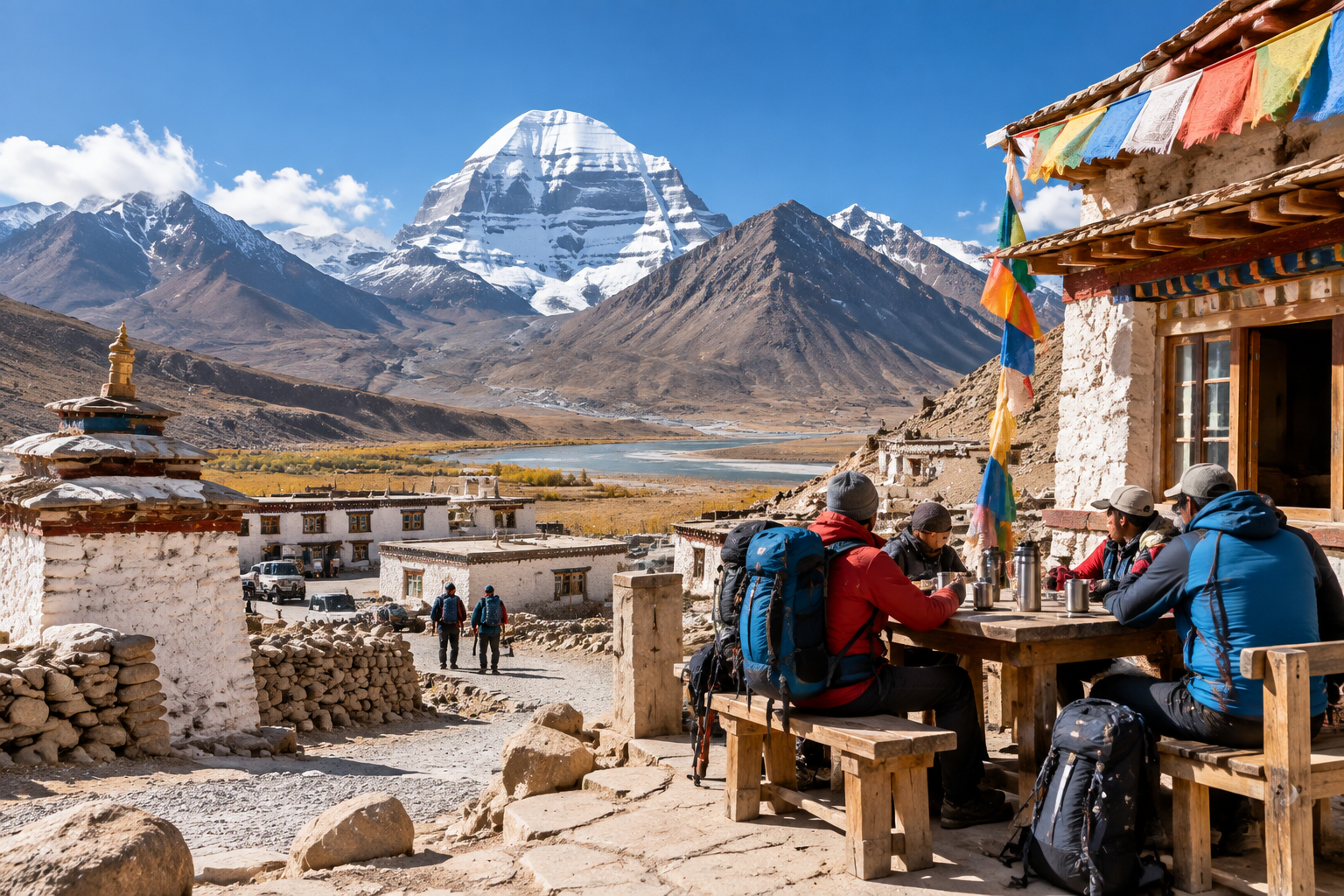
Lunch may take place either at guesthouses, roadside camps or at campsites depending on your schedule. The menu will consist of rice, dal, roti and seasonal sabzi. However, khichdi or noodles may replace such a list on some days. In case it is not possible to arrange lunch in form of a sit-down meal, packed lunches will be organised for you. Bring some snacks by yourself, in case the permit or weather conditions change the schedule.
Dinner to Have Strength for Tomorrow
As the temperature will drop by night, the appetite appears again. The dinner will include dal, rice, chapati, vegetables, and sometimes soup or noodles. It will be light in order not to make the body feel overloaded. It is useful to eat slowly and drink plenty of water in order to help your body recover after a day of climbing.
Chai, Soup and Drinking Water in Mountains
Warm drinks play no less important a role in the yatra. Chai, herbal drinks and soup appear at every meal point. Cold air takes moisture from the body very quickly. Thus, it is vital to drink plenty of warm fluids. Always bring a reusable bottle, drink frequently and use water only from reliable sources confirmed by your organiser.
Snacks to Take With You
You will need snacks to cope with hunger between meals. Dry fruits, energy bars, biscuits, glucose sweets and roasted namkeen are ideal for trekking days. Make sure that the portions are small and luggage space is still enough. In case you have diabetes, allergies or other health problems related to food, it is important to pack additional supplies of it.
Dealing with Dietary Requirements and Eating Healthy
The meals will be vegetarian. However, the menu varies depending on camps, so do not think that all the requests will be fulfilled in remote areas. Consult with your tour coordinator about strict requirements concerning food in advance and follow some eating rules. Try to avoid spiced, greasy and alcoholic food that makes your body work worse at high altitude.
Get Ready for the Pilgrimage!
The food on the Kailash Mansarovar Yatra will be light, warm and vegetarian. Pack your snacks, drink plenty of water and inform your tour coordinator about dietary requirements beforehand.
Book Kailash Mansarovar Yatra at Travel Dukaan now and enjoy the journey without additional concerns!
Saga may look like another overnight stop on your Kailash Mansarovar Yatra, but it plays a much bigger role. By the time you arrive from Kyirong, the altitude, long drive, and changing landscape can start taking a toll on your body. You might feel fatigue or lack of breath. You may simply need to relax.
This is exactly what Saga will give you. Time to relax before continuing your journey to Lake Manasarovar and Mount Kailash. The location of Saga, surrounded by the Tibetan Plateau with mountains and the Brahmaputra River, is perfect for this.
Be Ready For A Long Drive From Kyirong to Saga
The journey from Kyirong to Saga takes a number of hours and because of rising altitude and changes in road conditions, it can be rather physically challenging.
However, there are many amazing landscapes that will help you to get into the right mood for your upcoming pilgrimage.
Accommodation in Saga would be rather basic rather than luxurious. Hotels or guesthouses would offer you basic facilities and warm bedding if available. It is also worth noting that rooms will be shared by two or three pilgrims.
Allow Your Body Time to Adapt to the Height of Saga
Your acclimatisation day will have to be calm. With low oxygen levels at this altitude, your body will need time to adapt before starting to move further in the Kailash region.
It is recommended to do a short walk near Saga market or somewhere in the vicinity. However, you need to be careful not to walk fast, go up and down and carry any big bags. It is better to use the rest of the day to conserve energy.
Do Not Ignore Any Altitude Symptoms
Headaches, fatigue, decreased appetite, slight nausea, dizziness or breathlessness may be experienced at high altitudes. While some discomfort may be experienced, the alarming symptoms must never be neglected.
Please let your tour leader or medical personnel know about that. Your group may have an oxygen cylinder, masks, oximeter, sphygmomanometer and first aid kit. Nevertheless, please listen to professional advice instead of doing any self-treatment.
Be Careful About Your Meals and Clothes
Diet in Saga will be vegetarian and can include Indian cuisine such as rice, roti, dal, vegetables, soup, tea and hot water. While you may have reduced appetite, you will find it easier to eat lighter food. Drinking plenty of warm water is also very important. It is recommended not to drink alcohol and smoke.
At the same time, the weather in Saga changes frequently. Morning and evening temperatures will be freezing, but during the day the sun will be strong. To protect yourself from cold, it is recommended to wear thermals, woollen clothes, gloves and windproof jackets. Sunglasses and a cap are also useful when the sun is shining.
Feel the Calming Atmosphere of Saga
All the stops in Kailash Mansarovar Yatra are not equal. Saga with its wide sky, cold wind and emptiness, allows you to slow down a bit.
You can spend this time chanting, meditating, praying or observing the landscape. This helps you to return your attention to the purpose of your journey and conserve energy.
Get Everything Ready for Further Pilgrimage
Before moving away from Saga, you will need to make sure that you have prepared a day bag with water, medicine, snacks, sunglasses, gloves, protective clothes and documents. All other luggage will be transported separately by the travelling team.
The way will take you to Lake Manasarovar, Chiu Gompa and Darchen, where the pilgrimage becomes more physically and spiritually challenging.
Get Ready to Relax Before Starting Your Sacred Journey
Saga is not just another stop. It gives you time to adjust your body and prepare yourself before going to Mount Kailash.
Contact Travel Dukaan to organise your Kailash Mansarovar Yatra and prepare to travel to Lake Manasarovar and Mount Kailash.
The Kailash Mansarovar Yatra costs between ₹1,85,000 and ₹3,45,000 per person for Indian pilgrims travelling through Nepal in 2026, and roughly ₹1.8 lakh to ₹2.1 lakh through the Ministry of External Affairs route, which also charges a non-refundable application fee of ₹5,000. The journey takes 5 to 22 days depending on whether you fly by helicopter or travel overland. Mount Kailash stands at 6,638 metres and Lake Mansarovar at 4,590 metres, so every route requires acclimatisation. The 2026 MEA season ran from June to August with 20 batches of 50 pilgrims each, and applications closed on 19 May 2026. If you are reading this after that date, your realistic options are a private operator departure in the remaining 2026 window or an early 2027 booking.
That is the short version. The rest of this guide explains why those numbers move, which route suits your age and fitness, and how to avoid the three mistakes that cost Indian pilgrims money every single season.
What Is the Kailash Mansarovar Yatra?
The Kailash Mansarovar Yatra is a pilgrimage to Mount Kailash and Lake Mansarovar in the Ngari prefecture of Tibet Autonomous Region, China. Pilgrims travel to circumambulate the mountain on foot, a ritual called the Kailash Parikrama or Kora, and to bathe in or perform puja beside the freshwater lake at its base.
Put in simple relationship terms, the structure of the yatra looks like this. Mount Kailash is located in Tibet. Lake Mansarovar lies at the base of Mount Kailash. The Kailash Parikrama circles Mount Kailash across 52 kilometres. Dolma La Pass forms the highest point of that parikrama at approximately 5,630 metres. The Ministry of External Affairs organises the official Indian route. Private operators such as Travel Dukaan organise the Nepal route.
Understanding those relationships matters, because most confusion among first-time yatris comes from mixing up the pilgrimage with the parikrama, or the government route with the Nepal route.
Why Four Religions Consider Mount Kailash Sacred
Mount Kailash is unusual in that four separate faith traditions revere the same peak.
Hindus identify it as the abode of Lord Shiva and Goddess Parvati, and the Shiva Purana describes it as the axis of the spiritual universe. Buddhists associate it with Mount Meru, the cosmic centre and the seat of Demchok, a wrathful manifestation of the Buddha. Jains call it Ashtapada, the site where Rishabhadeva, the first Tirthankara, is believed to have attained moksha. Followers of the pre-Buddhist Tibetan Bon tradition treat both the peak and Lake Mansarovar as the spiritual heart of their cosmology, and they walk the kora anti-clockwise while the other three traditions walk clockwise.
According to The Hindu, the Chinese government formally banned any attempt to summit Mount Kailash in 2001 out of respect for these religious sensitivities, which is why the peak remains unclimbed in modern memory The Hindu.
Where exactly are Mount Kailash and Lake Mansarovar?
Mount Kailash sits near the western trijunction of China, India and Nepal, at an elevation of 6,638 metres (21,778 feet) Wikipedia. Lake Mansarovar lies about 30 kilometres south of the peak at roughly 4,590 metres (15,060 feet), making it one of the highest freshwater lakes on earth.
The region is also the hydrological source of South Asia. Four major rivers, the Brahmaputra, the Sutlej, the Indus and the Karnali (which feeds the Ghaghara), all originate within a short radius of the mountain. That single fact explains why the area held sacred status long before organised pilgrimage began.
Kailash Mansarovar Yatra 2026: What Actually Happened This Season
The 2026 edition marked the second consecutive season since the pilgrimage restarted, after a five-year suspension that began in 2020 due to the COVID-19 lockdown and the border tensions in the Galwan Valley.
Here are the confirmed 2026 numbers from the Ministry of External Affairs:
Detail
2026 Position
Total batches
20
Pilgrims per batch
50
Total pilgrims
Approximately 1,000
Routes
Lipulekh Pass (Uttarakhand) and Nathu La Pass (Sikkim)
Season
June to August
Application portal
kmy.gov.in
Last date to apply
19 May 2026
Application fee
₹5,000, non-refundable, both routes
Helpline
011-23088214
For context, the 2025 restart was smaller. In that year 750 pilgrims travelled in 15 batches, split as 5 batches via Lipulekh and 10 batches via Nathu La MEA. The jump to 20 batches in 2026 signals a steady expansion of capacity, which is a reasonable indicator for 2027 planning.
Each MEA batch travels with two liaison officers who are serving government officials, two to four cooks, and a medical officer deputed from the Indo-Tibetan Border Police (ITBP).
If You Missed the 2026 MEA Deadline, What Can You Still Do?
This is the question most people arrive at this page with, so here is the honest answer rather than a sales pitch.
You have three realistic paths. First, you can join a private operator departure through Nepal in the remaining 2026 window, since Nepal-route departures typically run from May into late September and do not depend on the MEA draw of lots. Second, you can book a 2027 departure now, which is what most experienced pilgrims do, because permit processing and group visa coordination work best with lead time. Third, if health or budget rules out Tibet this year, you can undertake Adi Kailash and Om Parvat inside Indian territory in Uttarakhand, which requires no passport and no Chinese visa.
For example, Travel Dukaan runs Nepal-route departures independently of the government draw, which is why Gujarati and Rajasthani pilgrims who miss the kmy.gov.in cut-off frequently switch to the Kyirong or Simikot itineraries in the same calendar year. You can view current availability on the Kailash Yatra Packages 2026 page.
The Two Systems: Government Route vs Private Operator Route
Almost every cost and eligibility question resolves once you understand that there are two completely separate systems, run by different authorities, with different prices and different selection methods.
Factor
MEA Government Route
Private Operator Route (via Nepal)
Organised by
Ministry of External Affairs, Government of India
Registered travel operators such as Travel Dukaan
Booked through
kmy.gov.in only
Operator directly
Selection
Computerised, gender-balanced draw of lots
First come, first served
Departure point
Delhi
Kathmandu, Lucknow or Nepalgunj
Border crossing
Lipulekh Pass or Nathu La Pass
Kyirong (Gyirong) or Hilsa
Duration
21 to 24 days
5 to 15 days
Indicative cost
₹1.8 lakh to ₹2.1 lakh plus ₹5,000 application fee
₹2.42 lakh to ₹3.45 lakh
Age limit
18 to 70 years
Generally 8 to 70, operator discretion
Certainty
Low, depends on the draw
High, confirmed on payment
MEA Route 1: Lipulekh Pass, Uttarakhand
The Lipulekh route crosses into Tibet at Lipulekh Pass, which sits at 17,060 feet on the Uttarakhand border. It is the traditional and considerably harder option, involving roughly 200 kilometres of trekking across the full itinerary, spread over about 24 days including mandatory medical screening at Delhi Heart and Lung Institute and at ITBP facilities.
Choose Lipulekh only if you are genuinely trek-fit. The high-altitude walking days are consecutive and there is limited scope to opt out mid-route.
MEA Route 2: Nathu La Pass, Sikkim
The Nathu La route crosses at Nathu La Pass in Sikkim and runs approximately 21 to 22 days. It is largely motorable, which is why The Hindu notes it is the route generally preferred by senior citizens. Because it involves far less trekking, demand is higher and the odds in the draw of lots are correspondingly tighter.
Private Route 1: Nepal Overland via Kyirong
The Kyirong route enters Tibet by road from Kathmandu through the Kyirong (Gyirong) border, and typically runs 13 to 15 days. It offers the best natural acclimatisation of any option because you gain altitude gradually over several driving days, which materially reduces the risk of acute mountain sickness.
Travel Dukaan operates this itinerary as a 14-day Kailash Mansarovar Yatra via Kyirong starting at ₹2,42,000 per person, which is the most cost-effective way for an Indian pilgrim to complete the full darshan and parikrama without the MEA lottery.
Private Route 2: Helicopter via Simikot and Hilsa
The helicopter route flies from Nepalgunj to Simikot, then a second helicopter leg from Simikot to Hilsa, before crossing into Tibet at Purang. It compresses the same pilgrimage into 5 to 11 days.
This is the fastest option and the most expensive, and it is the right choice for working professionals, senior pilgrims with limited stamina, and families travelling with elders. Travel Dukaan’s helicopter itineraries include a 9-day Kailash Mansarovar Yatra by Helicopter from Lucknow at ₹3,20,000, a 7-day Ex Lucknow departure at ₹3,40,000, and an 11-day Kathmandu to Kathmandu helicopter yatra at ₹3,45,000. Full itineraries are listed on the Kailash Yatra by Helicopter Ex Lucknow page and the 9-day Lucknow helicopter package page.
For pilgrims who want to avoid shared logistics entirely, chartered options exist. The VIP Kailash Mansarovar Yatra by private helicopter runs 4 to 5 days at ₹19,29,500 to ₹20,57,000, covering the entire aircraft rather than a per-seat allocation. Details are on the VIP private helicopter yatra page.
Kailash Mansarovar Yatra Cost from India in 2026
Direct answer: budget ₹2.42 lakh to ₹3.45 lakh per person for a private Nepal-route yatra in 2026, and approximately ₹1.8 lakh to ₹2.1 lakh for the MEA route. Premium chartered helicopter options run into the ₹19 lakh to ₹21 lakh range for the full aircraft.
Package Type
Duration
Indicative Cost (per person)
MEA Lipulekh or Nathu La
21 to 24 days
₹1.8 lakh to ₹2.1 lakh
Nepal overland via Kyirong
14 days
₹2,42,000
Helicopter from Lucknow
9 days
₹3,20,000
Helicopter Ex Lucknow
6 to 7 days
₹3,40,000
Helicopter one-way Kathmandu
10 days
₹3,35,000
Helicopter Kathmandu to Kathmandu
11 days
₹3,45,000
VIP private helicopter
4 to 5 days
₹19,29,500 to ₹20,57,000
Mount Kailash darshan by flight and Ayodhya
4 days
₹57,000
Adi Kailash and Om Parvat from Delhi
9 days
₹55,000
Why Does the Same Pilgrimage Cost So Differently?
Four cost drivers explain almost the entire spread.
Helicopter sectors are the single largest variable, because the Nepalgunj to Simikot to Hilsa legs are flown by small aircraft in constrained mountain weather windows, and operators must price in weather-hold contingency days. Tibet permits and the group visa are issued by Chinese authorities through Kathmandu and carry fixed per-head fees regardless of package tier. Accommodation standard in Tibet ranges from basic guesthouses at Darchen and Dirapuk to the best available hotels in Kyirong and Saga, and the gap is significant. Group size matters because vehicle, guide and cook costs are divided across the batch, so a 20-person group naturally prices lower per head than an 8-person one.
What Is Usually Not Included
This is where budgets get broken. Verify each of these in writing before you pay.
Personal expenses such as pony and porter hire during the parikrama, which typically runs ₹20,000 to ₹35,000 extra if you need support animals for the three parikrama days. Emergency helicopter evacuation, unless your operator bundles insurance. Extra nights caused by weather delays, which are common on helicopter routes and are billed at actuals by most operators. International airfare to Kathmandu if your package starts there. Nepal visa fees for the transit portion. Tips for guides, drivers and Sherpa staff.
A useful benchmark: pilgrims who budget an additional 15 percent above the package price rarely feel financially ambushed. Those who budget zero contingency almost always do.
The MEA process is a four-stage sequence and there is no way to shortcut it.
Stage one is the online application at kmy.gov.in, which opens around late April each year. Stage two is the computerised draw of lots, described by the MEA as random and gender-balanced, meaning no agent, donation or recommendation can influence it. Stage three is intimation, delivered by automated email and SMS to your registered contact details. Stage four is fee payment by the selected yatris.
The MEA is explicit that it provides no subsidy and no financial assistance to yatris, although several state governments including Gujarat, Delhi, Maharashtra, Karnataka and Uttar Pradesh have historically operated their own reimbursement schemes for successful applicants. Gujarat pilgrims in particular should check the state’s current subsidy notification, since it has previously covered a meaningful share of the trip cost.
Documents Required for the MEA Route
According to the official information guide, you must carry an Indian passport valid for at least six months as on 1 September of the travel year, a photocopy of the passport with front and back pages on the same sheet, six passport-size photographs, an indemnity bond executed on ₹100 non-judicial stamp paper and authenticated by a First Class Magistrate or Notary Public, an undertaking for helicopter evacuation in an emergency, and a consent form for cremation of mortal remains on the Chinese side in case of death there.
That last document unsettles people, and it should be read as what it is: a realistic acknowledgement that this is a high-altitude pilgrimage in a remote region without hospital infrastructure, not a scare tactic.
Registering Through a Private Operator
The private process is far simpler. You select an itinerary and departure date, submit passport scans and photographs, pay a booking advance, and the operator files your Tibet permit and Chinese group visa through Kathmandu.
The critical timing rule: your original passport must physically reach Kathmandu roughly 20 to 25 days before departure for group visa processing. This is the most common reason a confirmed pilgrim gets dropped from a batch. Book at least 8 to 12 weeks ahead so this never becomes an issue.
Travel Dukaan documents its full registration workflow, including the passport submission calendar, at Kailash Mansarovar Yatra 2026 registration and booking.
When Is the Best Time for the Kailash Yatra?
Direct answer: mid-May to mid-September, with late May, June and early September offering the most stable conditions.
May and early June bring clear skies and cold nights, with Lake Mansarovar sometimes still partially frozen at the edges. July and August coincide with the monsoon over Nepal, which causes helicopter delays at Nepalgunj and Simikot far more often than most brochures admit, though Tibet itself lies in a rain shadow and stays comparatively dry. September delivers the clearest mountain views of the season and is widely considered the photographer’s window, with the season closing as passes become unreliable in October.
One date carries special weight. Saga Dawa, the Tibetan Buddhist festival marking the birth, enlightenment and parinirvana of the Buddha, falls in May or June and draws large crowds to Tarboche near Darchen for the raising of the prayer flagpole. Departures around Saga Dawa sell out earliest and price highest.
What Is the Kailash Parikrama and How Hard Is It?
The Kailash Parikrama is a 52-kilometre circumambulation of Mount Kailash, completed over three days on foot, on horseback, or with a combination of both. Day one runs from Darchen to Dirapuk, roughly 20 kilometres of gradual ascent with the north face of Kailash visible for much of the walk. Day two is the decisive one, crossing Dolma La Pass at approximately 5,630 metres and descending to Zuthulpuk, about 22 kilometres of the hardest walking most pilgrims will ever do. Day three is an easier 10 kilometre descent back toward Darchen.
Pilgrims begin the circuit at Yama Dwar, the Gate of the God of Death, which The Hindu identifies as the traditional starting point of the parikrama. Hindus, Buddhists and Jains walk clockwise. Bon practitioners walk anti-clockwise.
Ponies and porters are available on the parikrama route and are booked locally at Darchen. Two honest cautions apply. Pony availability is not guaranteed at peak times, and on the steepest section approaching Dolma La you will usually have to dismount and walk regardless, because the terrain is unsuitable for riding.
Fitness, Altitude and Medical Preparation
Direct answer: you should be able to walk 5 to 6 kilometres continuously on flat ground and climb four flights of stairs without breathlessness before you book. That is the practical floor, not an aspirational target.
Acute Mountain Sickness is the real risk of this pilgrimage, not the terrain. It begins above roughly 2,500 metres, and the entire Tibet portion of this yatra sits above 4,500 metres. Symptoms present as persistent headache, nausea, loss of appetite and disturbed sleep. The two dangerous escalations are High Altitude Pulmonary Edema (HAPE), fluid in the lungs, and High Altitude Cerebral Edema (HACE), swelling of the brain. Both are medical emergencies and both are treated the same way: immediate descent.
Practical prevention measures that work. Begin cardio training a minimum of eight weeks before departure, ideally brisk walking with a light backpack. Consult a physician about Diamox (acetazolamide), which studies show reduces AMS incidence when started 24 to 48 hours before ascent. Drink three to four litres of water daily on the Tibet leg. Avoid alcohol and smoking entirely from the day you enter Tibet. Never ascend on the day symptoms first appear.
Pilgrims with uncontrolled hypertension, recent cardiac events, severe asthma, advanced diabetes or a history of stroke should obtain explicit medical clearance, and honestly, should consider the shorter helicopter itineraries or the Adi Kailash alternative instead.
Pack in layers, because temperatures swing from pleasant daytime sun to sub-zero nights within the same 12 hours.
Essentials include a down jacket rated to minus 10 degrees Celsius, thermal inner wear in two sets, a waterproof and windproof outer shell, broken-in trekking shoes with ankle support (never new shoes), UV-rated sunglasses since snow glare at 5,000 metres causes genuine corneal damage, SPF 50 sunscreen and lip balm, a headlamp with spare batteries, a personal medical kit including Diamox, a reusable water bottle or hydration bladder, and dry snacks such as dry fruits, energy bars and khakhra which Gujarati pilgrims routinely and sensibly carry.
Two documentation notes. Carry five to six extra passport photographs beyond what your operator requested, because permit offices in Tibet occasionally ask for more. And carry sufficient Chinese Yuan in cash, because Indian cards and UPI do not function in Tibet and ATMs are effectively unavailable outside Darchen.
How to Choose a Kailash Yatra Operator You Can Trust
This is where most money is lost, so apply a checklist rather than intuition.
Verify years of operation and whether the company has run Kailash departures specifically, not just general tour packages. Ask for the exact group size and whether the price is per seat or per charter. Confirm who holds your passport and for how long during visa processing. Get the weather contingency policy in writing, specifically who pays for extra nights when a helicopter is grounded at Simikot. Confirm whether an oxygen cylinder and a trained escort travel with the group. Ask whether the operator provides a dedicated Indian cook, because Tibetan roadside food is difficult for most Indian digestive systems at altitude. Check for verifiable reviews from pilgrims in your own region.
Why Indian Pilgrims Book the Kailash Yatra with Travel Dukaan
Travel Dukaan, headquartered in Ahmedabad, Gujarat and operated by Sarva Tours & Travels, has organised Kailash Mansarovar journeys since 2011. The company was founded by Narendra Rathore and now runs with a team of over 150 travel consultants, having completed 800 plus tours for 5,000 plus travellers across more than 100 destinations.
What makes the Kailash operation distinct is that it is not a side product. Travel Dukaan runs the widest route spread available to Indian pilgrims from a single operator: overland via Kyirong, overland via Lhasa, helicopter from Lucknow, helicopter from Kathmandu, one-way helicopter combinations, private charter VIP departures, and the four-day Mount Kailash darshan by flight combined with Ayodhya darshan for pilgrims who cannot manage the parikrama at all.
Operational specifics that matter at 4,500 metres. Every batch receives an airport welcome with Rudraksha Maala at Lucknow or Nepalgunj, and a hawan at Manasarovar conducted by the company’s own pujari, along with Charan Sparsh Darshan. These are not marketing lines, they are itemised package inclusions on the individual tour pages.
The company also serves the NRI and foreign passport segment, with a separate 15-day Kyirong itinerary for foreign passport holders from $2,850 and dedicated coordination for US-based pilgrims, documented on the Kailash tour packages from USA page.
For Gujarat-based pilgrims specifically, the Ahmedabad office allows in-person document handover and passport submission rather than courier-only processing, which removes the single most common failure point in Chinese group visa timelines. You can reach the team on WhatsApp at +91 8866320202 or read the full company background on the About Travel Dukaan page.
Kailash Mansarovar Yatra 2027: When Should You Book?
Direct answer: book between August 2026 and January 2027 for a 2027 departure.
The 2027 season will run from roughly May to late September 2027, following the same weather-governed pattern as every previous year. Private operator registration for 2027 opened in mid-2026 and early-bird pricing is generally available through the end of the calendar year.
For the government route, expect the kmy.gov.in portal to open around late April 2027 with an application deadline in mid-May 2027, based on the consistent 2025 and 2026 pattern. Set a reminder for the first week of April 2027 and check the MEA press releases page directly rather than relying on third-party announcements.
A strategic note. Because MEA selection is a lottery, experienced pilgrims apply to kmy.gov.in and hold a provisional private booking, then cancel one once the draw result is known. Confirm the cancellation terms before using this approach.
If Tibet Is Not Possible: Adi Kailash and Om Parvat
Not everyone can or should go to Tibet. Age, cardiac history, budget and passport issues all rule people out, and there is a genuine alternative within India.
Adi Kailash, also called Chhota Kailash, sits in the Pithoragarh district of Uttarakhand near the Indo-Tibetan border and bears a striking resemblance to Mount Kailash. Om Parvat nearby carries a natural snow formation resembling the sacred syllable “Om”. Neither requires a passport, a Chinese visa, or the ₹5,000 MEA application fee, and the altitude profile is meaningfully gentler.
Travel Dukaan operates Adi Kailash and Om Parvat itineraries from ₹35,000 for a 5-day Dharchula departure, ₹48,000 for an 8-day Kathgodam itinerary, and ₹55,000 for a 9-day journey from Delhi. Prime Minister Narendra Modi’s 2023 visit to Adi Kailash and Parvati Kund substantially raised the profile of this circuit, and demand has risen accordingly.
Frequently Asked Questions
How much does the Kailash Mansarovar Yatra cost in 2026?
Between ₹2,42,000 and ₹3,45,000 per person for private Nepal-route packages, and approximately ₹1.8 lakh to ₹2.1 lakh through the MEA route plus a ₹5,000 non-refundable application fee. Private charter VIP options range from ₹19,29,500 to ₹20,57,000.
What is the age limit for the Kailash Mansarovar Yatra?
The MEA route accepts applicants aged 18 to 70 years who hold a valid Indian passport and clear the prescribed medical examination. Private Nepal-route operators are more flexible, generally accepting pilgrims from around 8 to 70 years, subject to a medical fitness certificate.
How many days does the Kailash Yatra take?
Between 4 and 24 days. Private helicopter charters complete it in 4 to 5 days, standard helicopter packages in 6 to 11 days, the Kyirong overland route in 14 to 15 days, and the MEA routes in 21 to 24 days.
Is a passport mandatory for the Kailash Mansarovar Yatra?
Yes, for the Tibet portion. Your Indian passport must be valid for at least six months as on 1 September of the travel year. The only exception is Adi Kailash and Om Parvat, which lie entirely within India and need no passport.
Can senior citizens do the Kailash Mansarovar Yatra?
Yes. Senior pilgrims should choose the Nathu La route on the MEA side or a helicopter itinerary on the private side, both of which minimise trekking. Ponies and porters are available for the parikrama. Anyone over 65 or with cardiac history should obtain explicit medical clearance first.
Is parikrama compulsory?
No. Many pilgrims complete Mansarovar darshan and puja, view Mount Kailash from Darchen or Dirapuk, and skip the 52-kilometre kora entirely. Most operators including Travel Dukaan allow yatris to rest at Darchen while their group completes the circuit.
What is the difference between Kailash Yatra and Amarnath Yatra?
The Kailash Yatra goes to Mount Kailash in Tibet, China, requires a passport and Chinese visa, and costs ₹1.8 lakh and upward. The Amarnath Yatra goes to the Amarnath cave in Jammu and Kashmir, India, requires only a Yatra Permit and a Compulsory Health Certificate, and costs a fraction of that.
Do I need travel insurance?
It is not always mandatory but it is strongly advised. Ensure the policy explicitly covers altitudes above 5,000 metres and helicopter evacuation, because standard travel insurance excludes both by default.
Is a mobile network available during the yatra?
Indian SIM cards do not work in Tibet. Purchase a China Mobile SIM in Kathmandu or use hotel Wi-Fi in Kyirong and Saga. Expect no connectivity at all during the three parikrama days, and inform your family in advance.
Can I take photographs at Mount Kailash?
Photography is permitted at Lake Mansarovar and along the parikrama route. However, photography is restricted at Chinese border checkpoints and near military installations, and drones are prohibited in Tibet. Guides will indicate where cameras must be put away.
For many devotees in India, the Kailash Mansarovar Yatra 2026 is more than a trip. It is a sacred intention, a long-awaited spiritual milestone, and for some families, a dream planned over many years. But once the emotional decision is made, the practical question quickly follows: how much will Kailash Mansarovar Yatra cost in 2026 from India?
The cost for Indian travellers typically ranges between INR 1,20,000 and INR 3,50,000, depending on the route, travel style, and facilities included in the package. That makes one thing clear: there is no single flat price for every yatri. Your final budget depends on how you want to travel, how much comfort you need, and how early you start planning.
If you are searching for Kailash Mansarovar Yatra package cost from India, Kailash Yatra booking for 2026, or the best Kailash Mansarovar package for Indian pilgrims, this guide will help you understand what affects the cost and how to plan smartly.
Why Cost Planning Matters for Kailash Mansarovar Yatra 2026
Unlike a standard holiday, the Kailash Mansarovar Yatra involves high-altitude travel, permits, route selection, limited seasonal windows, and physical preparation. That is why price should never be looked at in isolation. A cheaper-looking package may not always be the better choice if it means a tougher route, more transit stress, or limited support during the journey.
The smarter approach is to compare value, not just numbers. Indian travellers should look at route type, pace, comfort, acclimatization support, meals, transport arrangements, and on-ground coordination before deciding which Kailash Mansarovar tour package fits their needs. Travel Dukaan presents the Yatra as a flexible pilgrimage with multiple package styles designed around different traveller requirements.
What Is the Cost of Kailash Mansarovar Yatra in 2026 from India?
The clearest price benchmark currently available on Travel Dukaan’s main package page is this:
For Indian travellers, Kailash Mansarovar Yatra package cost ranges between INR 1,20,000 and INR 3,50,000. The page also notes that the cost varies based on the facilities and type of package selected.
This means the price gap usually reflects differences such as:
travel mode
route duration
helicopter or overland experience
comfort level
group size
service inclusions
flexibility and customization
So if someone asks, “What is the price of Kailash Mansarovar Yatra in 2026?” the most accurate answer is: it starts from the lower end for simpler or more budget-conscious packages and goes up for faster, more comfortable, or premium pilgrimage options.
What Factors Increase or Reduce Your Kailash Yatra Cost?
The biggest reason prices vary is that not every pilgrim wants the same journey.
Some travellers want a more traditional and immersive road-based experience. Others want a quicker and more comfortable option because of age, time constraints, or health concerns. Travel Dukaan highlights both overland tours and helicopter-based Kailash Mansarovar Yatra packages, which naturally creates a wide price range.
In practical terms, your package cost can change based on:
1. Route and Travel Style
A road journey and a helicopter journey are very different experiences. Helicopter-supported travel is generally chosen by pilgrims who want to reduce travel time and physical strain. If you want to explore this option, see Kailash Mansarovar Yatra by Helicopter.
2. Type of Facilities Included
Travel Dukaan’s package page clearly says the final cost depends on the facilities provided. That can include accommodation standards, transport comfort, meal arrangements, and support throughout the pilgrimage.
3. Fixed Departure vs Customized Travel
Pilgrims who prefer a set departure schedule may choose fixed departures, while others may want a more tailored or private arrangement. Travel Dukaan also mentions fixed departure tour packages for budget-conscious travellers.
4. Traveller Profile
Senior citizens, families, spiritual groups, and first-time yatris often have different priorities. A younger trek-ready pilgrim may choose one kind of route, while a family may prioritize convenience and support.
Which Kailash Mansarovar Package Is Best for Indian Travellers?
There is no one “best” package for everyone. The right package depends on your budget, health, available time, and travel expectations.
If you want a broader overview of route differences, the Kailash Mansarovar Yatra routes guide explains that duration and physical demand vary depending on whether you choose Lipulekh, Nathu La, or Nepal-side travel patterns.
In general:
Choose a budget-friendly package if you are comfortable with a longer and more traditional travel experience.
Choose a helicopter package if you want a faster and more accessible journey.
Choose a custom or premium option if your group needs added comfort, flexibility, or personal assistance.
For Indian pilgrims comparing options, the safest starting point is to review the available Kailash Mansarovar Yatra tour packages and speak directly with the team before finalizing your slot.
Important Planning Tips Before You Book
Cost is only one part of planning. The journey takes place in a high-altitude region, so preparation matters just as much as budget.
The CDC high-altitude travel guidance explains that altitude illness risk increases when travellers ascend too quickly and do not allow proper acclimatization. Gradual ascent, rest, and early recognition of symptoms are important for safer travel.
Indian pilgrims travelling via Nepal should also read the official advisory from the Embassy of India in Kathmandu. It advises yatris to ensure they have the correct Chinese visa and travel permit before departure, undergo proper medical examination, carry enough medicines and cash, and prepare for delays due to weather or limited infrastructure in places like Simikot and Hilsa.
These official points matter because the best Kailash Mansarovar package is not just about price. It is about being properly prepared for the terrain, altitude, and logistics.
Why Early Booking Is a Smart Decision in 2026
Pilgrimages like Kailash Mansarovar are seasonal and highly intention-driven. Many travellers wait too long and then face limited batch options, rushed document preparation, or last-minute confusion over route suitability.
Final Answer: How Much Should You Budget for Kailash Mansarovar Yatra 2026?
If you are planning from India, a realistic planning range based on Travel Dukaan’s package page is INR 1,20,000 to INR 3,50,000, with the final amount depending on the route, package type, and included facilities.
So instead of asking only, “What is the cheapest Kailash package?” ask a better question:
Which Kailash Mansarovar Yatra package gives me the right balance of budget, safety, support, and spiritual comfort?
That is the question that leads to a better pilgrimage experience.
Plan Your Kailash Mansarovar Yatra 2026 with Travel Dukaan
If you are looking for Kailash Mansarovar Yatra packages from India, want help comparing overland vs helicopter options, or want to know which package may suit your family or group, explore these pages:
Planning for Kailash Mansarovar Yatra 2026 registration and booking from India? If yes, you are likely searching for verified dates, updated government guidelines, package cost, route options (Lipulekh or Nepal), medical eligibility, and a trusted tour operator.
This detailed 2026 guide is created specifically for Indian pilgrims and families who want accurate, practical and up-to-date information before booking their sacred journey to Mount Kailash and Lake Mansarovar.
Why Kailash Mansarovar Yatra is Spiritually Significant
Mount Kailash in Tibet is revered as the earthly abode of Lord Shiva. Nearby lies Lake Mansarovar, considered one of the holiest lakes in Hinduism, Buddhism, Jainism and Bon traditions.
For Indian devotees, completing the Kailash Parikrama (circumambulation) and taking a dip in Mansarovar is believed to cleanse karmic debts and grant spiritual liberation.
Kailash Mansarovar Yatra 2026 – Latest Updates for Indian Pilgrims
For 2026, Indian yatris can expect two primary routes:
1️⃣ MEA Route (Government of India – Limited Seats)
The official yatra is organized by the Ministry of External Affairs.
Registration usually opens between April–May
Selection through computerized lottery system
Mandatory medical tests
Operated via Lipulekh Pass & Nathu La (subject to approval)
The yatra season generally runs from May to September.
May–June: Pleasant but colder nights
July–August: Slight rain in Nepal section
September: Clear skies, ideal for photography
Weather data and high-altitude travel guidelines are available via the India Meteorological Department: https://mausam.imd.gov.in
High-Altitude Preparation Tips (Very Important)
The journey crosses high passes like Dolma La (approx. 18,600 ft). According to the World Health Organization, altitude sickness can affect travelers above 2,500 meters.
The journey to Mount Kailash is a profound spiritual quest, but no moment is as visually or emotionally arresting as reaching Dirapuk. Situated at an altitude of 5,210 meters (17,093 feet), Dirapuk serves as the first overnight camp on the 52-km Parikrama and offers the most intimate view of the North Face of Mount Kailash.
As we progress through 2026, the Tibetan Year of the Fire Horse, the energy at Dirapuk is electric. This rare astrological alignment, occurring only once every 12 years, is said to multiply the spiritual merits of the journey by 13 times. For pilgrims and trekkers alike, Dirapuk is the literal “North Star” of our Kailash Mansarovar Yatra tour packages, marking the transition from a physical trek into a deep spiritual immersion.
The North Face: The “Shiva Face” of Mount Kailash
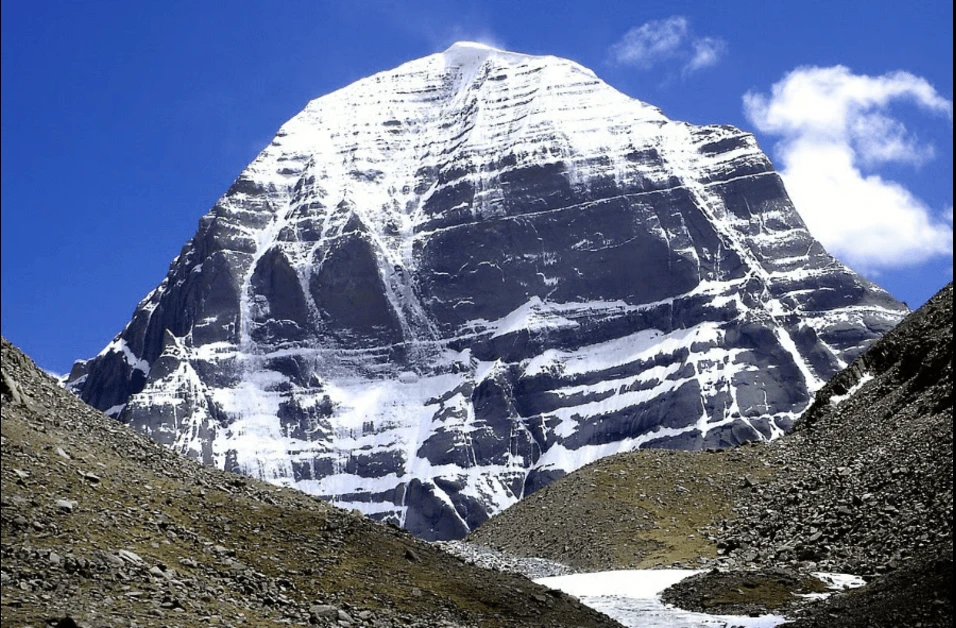
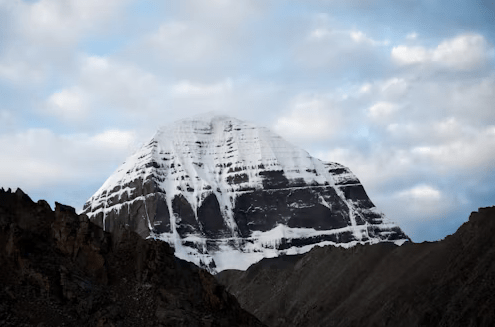
The North Face is arguably the most iconic side of the mountain. In Hindu tradition, it is often referred to as the Shiva Face.
The Mystery of the Golden Face
When the first rays of the sun hit the North Face, the mountain transforms into a pyramid of molten gold. This phenomenon, known as the “Golden Kailash,” is best viewed from the banks of the Lha Chu River near Dirapuk. According to historical and cultural research from the Tibet Policy Institute, the North Face is symbolically associated with the element of gold, representing divine wisdom and the mirror of the soul.
Spiritual Significance: For Hindus, the North Face represents the meditative aspect of Lord Shiva. The vertical rock striations are believed by many to resemble the matted locks of the deity.
Geological Wonder: Scientific observations by the International Centre for Integrated Mountain Development (ICIMOD) highlight the unique vertical granite walls of the North Face, which remain unclimbed due to their sacred status and sheer technical difficulty.
Dirapuk Monastery: The Cave of the Horn
The Dirapuk Monastery (or Drirapuk) is built around a sacred meditation cave. The name literally translates to “Cave of the Female Yak Horn.”
History and Legends
Legend has it that the 13th-century Buddhist master Gotsangpa was guided to this spot by a divine female yak during a heavy snowstorm. He found refuge in a cave, where he meditated for several years. Today, pilgrims can visit this cave and see what are believed to be the master’s footprints embedded in the rock.
The monastery belongs to the Gelugpa school of Tibetan Buddhism. In 2026, the site remains a sanctuary for practitioners. You can explore more about the monastic lineages of the Ngari region through the Indira Gandhi National Centre for the Arts (IGNCA), which documents these ancient Himalayan structures.
What to Expect in 2026: Logistics & Success Rates
Reaching Dirapuk is the climax of Day 1 of the Parikrama. The trek from Darchen to Dirapuk is roughly 12–13 km and takes 6–8 hours.
Feature
Details for 2026 Season
Altitude
5,210 Meters (High risk of AMS)
Best Time
May, June (Saga Dawa), and September
Accommodation
Basic guesthouses/monastery dorms
Connectivity
Extremely Limited; Satellite phones recommended
2026 Travel Advisory
Due to the Saga Dawa Festival (May 31, 2026), permits for the Ngari Prefecture are subject to high demand. It is vital to check current border regulations via the Ministry of External Affairs (MEA) or your authorized travel partner to ensure all documentation is in order well in advance.
Essential Tips for the Dirapuk Night
Photography: The “Alpenglow” on the North Face lasts only a few minutes around 5:30 AM – 6:00 AM. Be ready with your camera before dawn.
Health First: The High Altitude Medicine Guide warns that dehydration is the primary trigger for altitude sickness at 17,000+ feet. Drink at least 4 liters of water daily.
Climate: Temperatures at Dirapuk can drop to -10°C even in mid-summer. High-quality down jackets and thermal layering are mandatory.
Charan Sparsh: If your health permits and regulations allow, the trek to Charan Sparsh (touching the feet of Kailash) is a 4-5 hour round trip from Dirapuk that brings you to the very base of the North Face.
Environmental Responsibility
With record numbers of visitors expected in the 2026 Year of the Horse, following Leave No Trace principles is essential. The Lha Chu River is a source for major Asian rivers; please ensure no plastic or chemical waste is left behind.
Conclusion: The View That Changes You
Standing at Dirapuk, looking up at the North Face of Mount Kailash, is a moment of total surrender. It is where the physical world feels thin and the divine feels within reach. Whether you are there for the religious merit of the Horse Year or the sheer wonder of the Himalayas, Dirapuk will remain etched in your heart forever.
Witness the North Face with Travel Dukaan
At Travel Dukaan, we specialize in making the impossible journey possible. Our 2026 Kailash Mansarovar Yatra packages include expert guides, medical-grade oxygen support, and pre-vetted accommodations at Dirapuk to ensure you can focus on the spiritual majesty of the Shiva Face without worrying about the logistics.