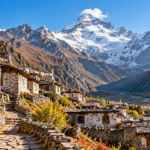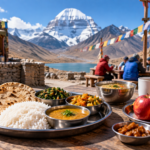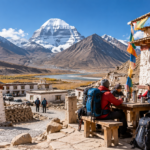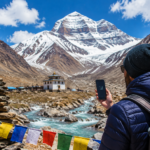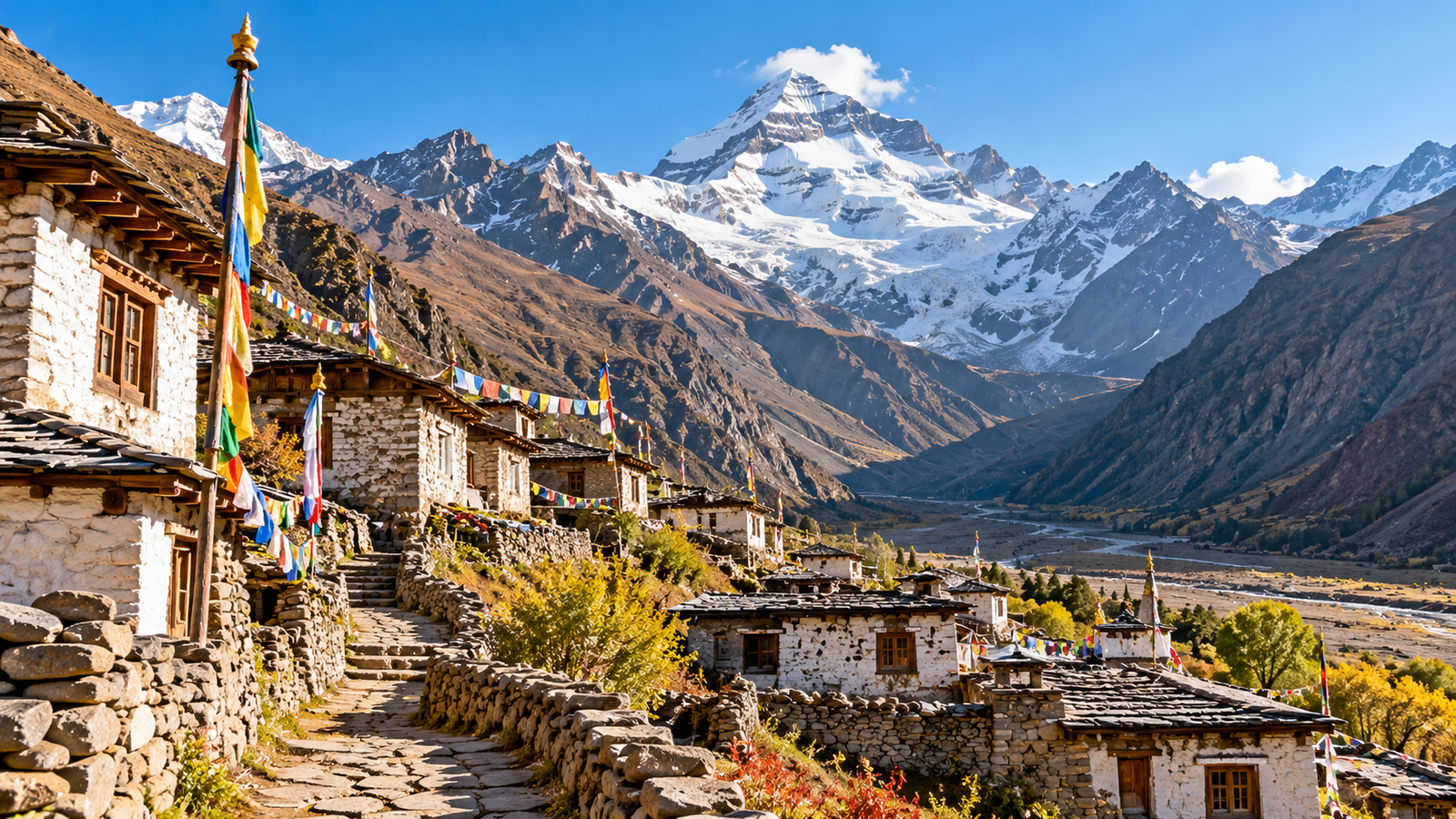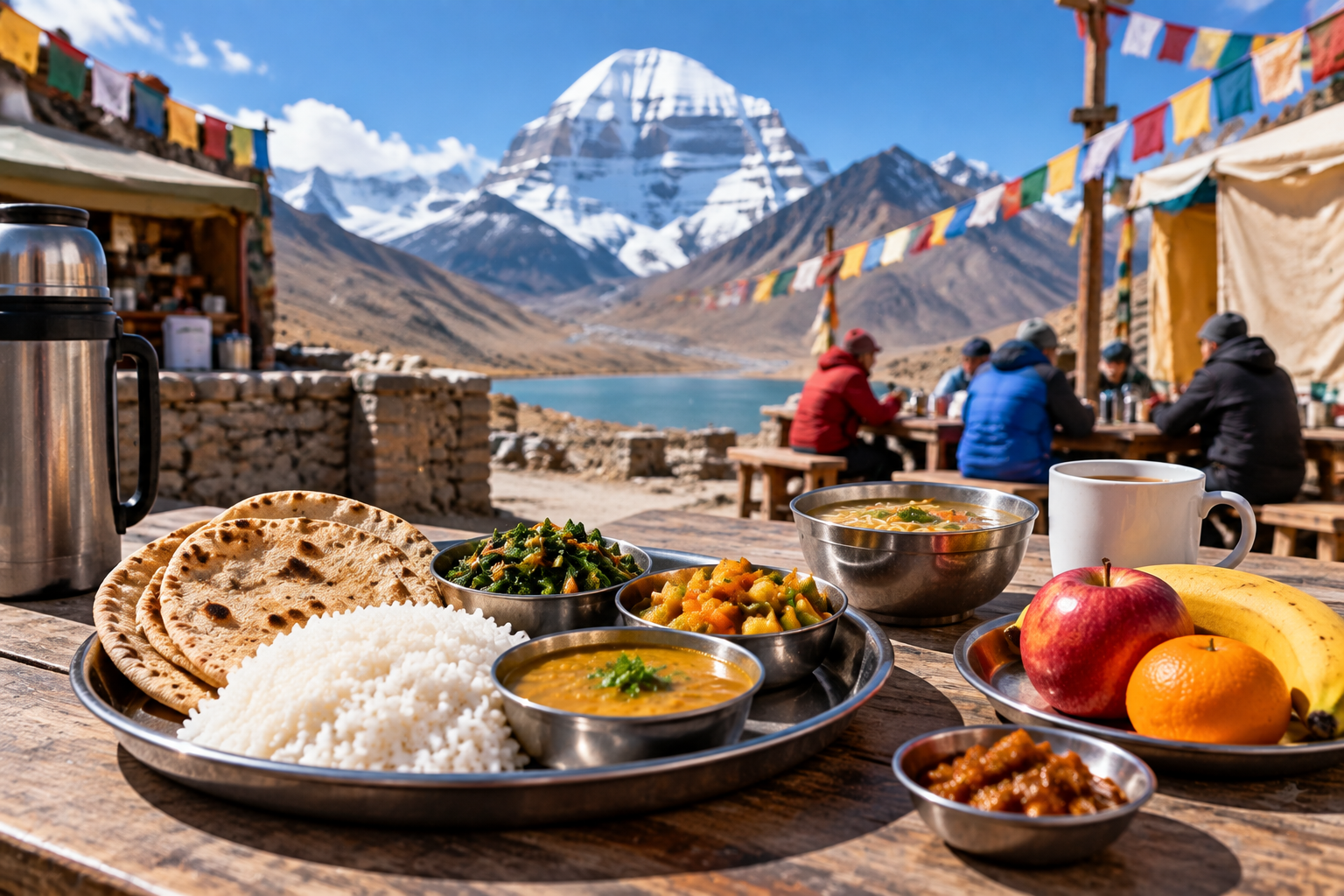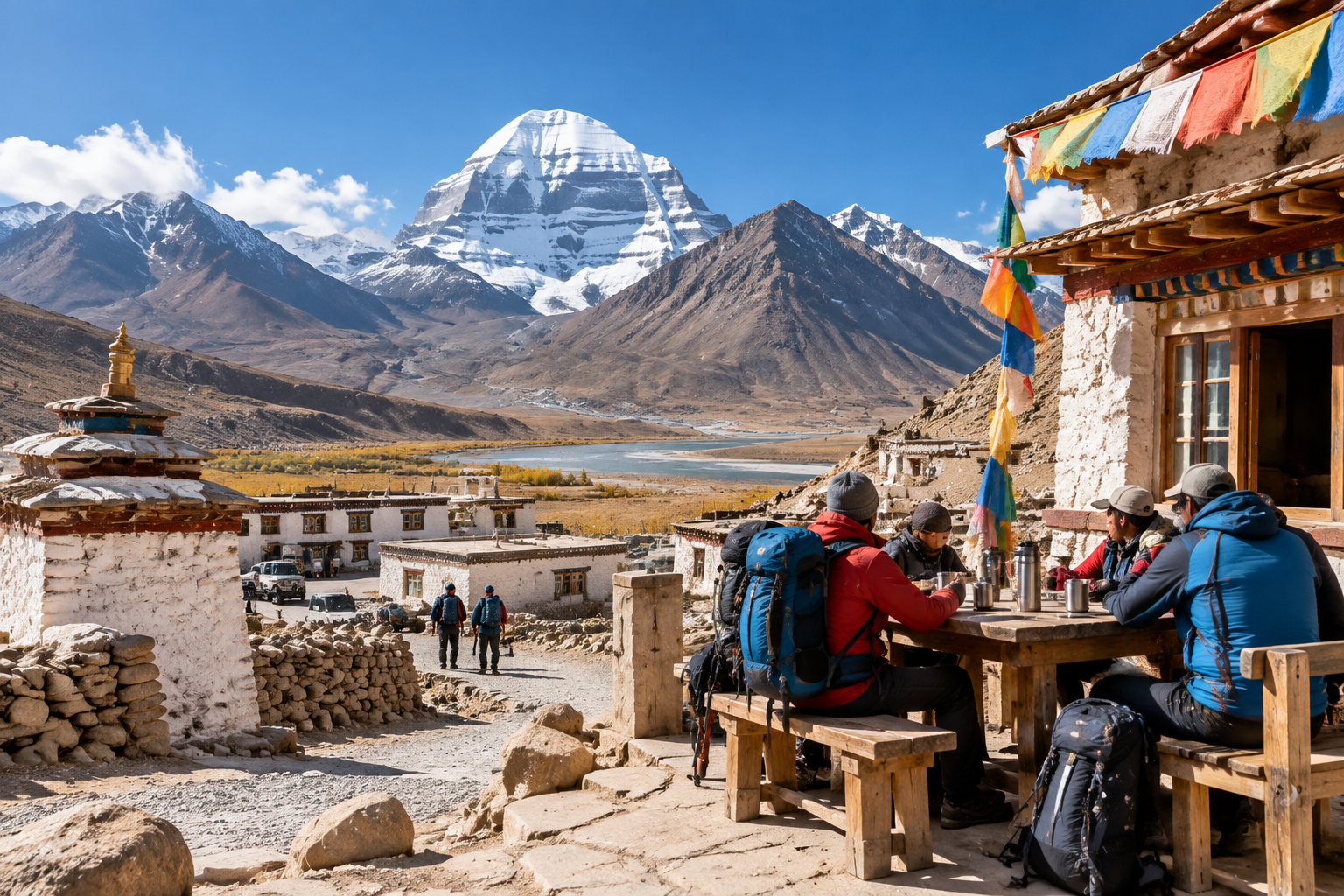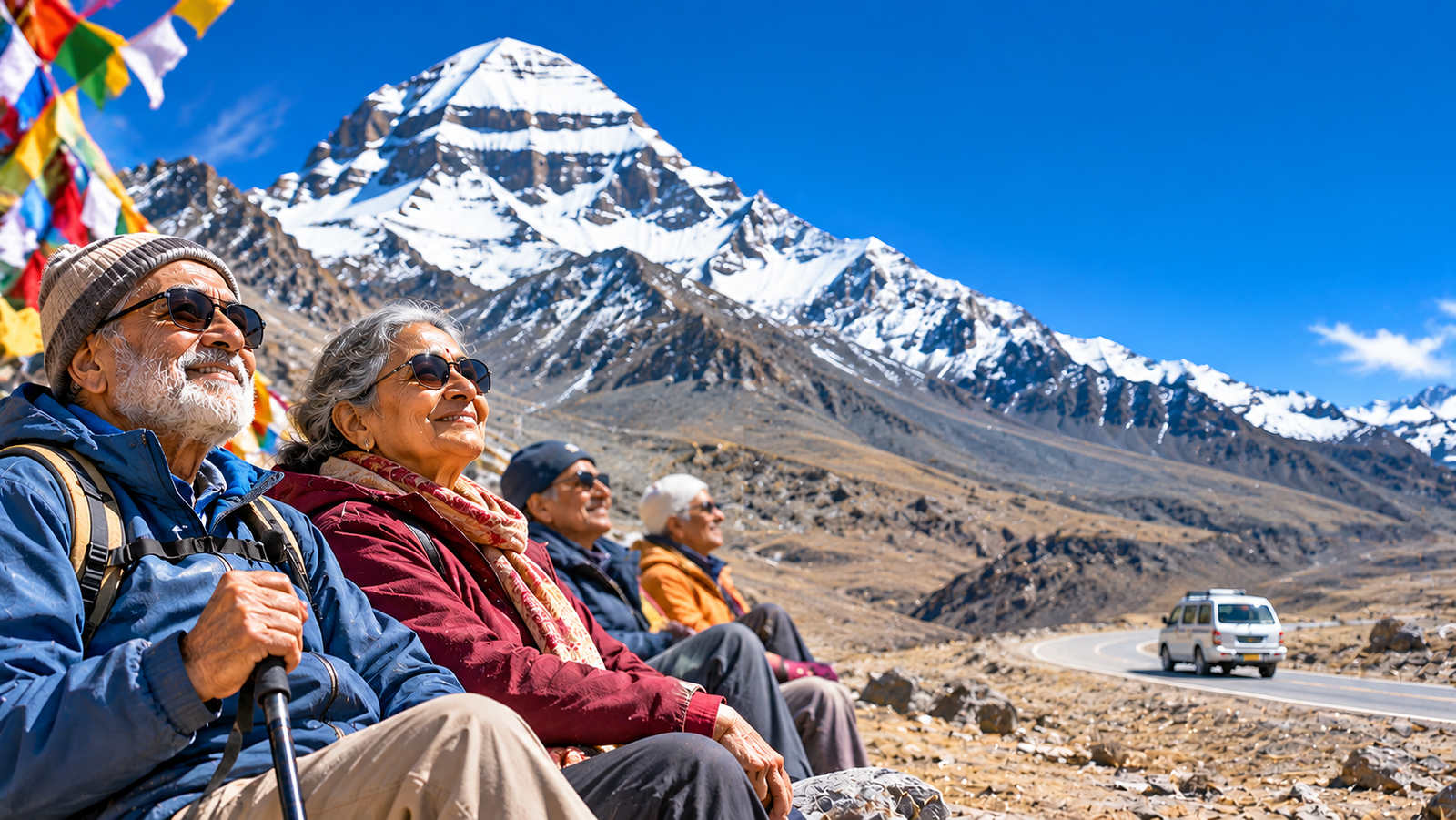
For many pilgrims, seeing Mount Kailash is a journey they have imagined for years. Yet the thought of a 52-kilometre Parikrama can make that dream feel difficult, particularly for seniors or anyone uncomfortable with strenuous trekking. The reassuring part is that completing the full circuit is not compulsory.
A Kailash Yatra can still include Mount Kailash darshan, time at Lake Mansarovar, prayers and visits to sacred places without undertaking the demanding trek. The experience may be different, but its spiritual purpose need not feel diminished.
For older travellers especially, a slower itinerary can leave more space for devotion, rest and the landscape itself.
Yatra Does Not Necessarily Include Completion of the Parikrama
Parikrama is an important part of the Kailash experience for many devotees, but the route is quite challenging. It involves high altitude, tough terrain, basic accommodation, and a lot of walking.
However, skipping the Parikrama does not mean missing the pilgrimage. Travellers can still get darshan of Mount Kailash and stay at Lake Mansarovar, where the devotees can pray, perform rituals and take a holy dip.
Another important stop is Yam Dwar. It is traditionally considered the starting point of the Parikrama, but travellers who prefer not to trek can visit the place, pray there and return.
Different Itinerary Will Be Suitable for Senior Pilgrims/Non-Trekkers
For senior pilgrims and non-trekkers, the best itinerary will involve visiting Lake Mansarovar, getting Mount Kailash darshan and other spiritual places. Some itineraries may also involve monasteries and viewing points.
The pace of the journey is an important aspect. Additional rest, reliable transport and gradual acclimatisation can make a lot of difference at high altitude. If it is possible, oxygen and medical services can be also checked before booking the trip.
It is better to think about the itinerary not as about the reduction of the journey but as about adaptation to the needs of the traveller. Pilgrimage should not turn into an endurance test just because the route is traditional.
Health Should Influence the Planning of the Trip
Skipping the Parikrama will eliminate the demanding trek, but it will not change the fact that the journey will be at high altitude. Breathlessness, headache, fatigue and altitude sickness can appear during the trip.
Therefore, senior pilgrims should consult their doctors before leaving for the trip. This step is especially important for people with heart problems, respiratory diseases, uncontrolled blood pressure and other severe illnesses.
It is important to take the necessary medications, warm clothes, comfortable shoes and sunscreen. Hydration and acclimatisation are important as well. All illnesses should be immediately reported.
Choose Comfort over Tight Schedule
The source mentions May to September as the period when people usually travel, but mountain weather is unpredictable. Cold nights, rains and wind can appear despite the season. Additional rest days can be better for seniors than a too tight schedule.
Before booking the trip, it is important to check accommodation, transport, meals, permits, maximum altitude and medical services. Also, it is necessary to find out if Lake Mansarovar and Mount Kailash darshan are included in the plan.
Let the Journey Be Based on Your Needs
A Kailash Yatra without Parikrama can be spiritually fulfilling regardless of the absence of the demanding trek. The better itinerary is the one that takes into account both the devotion and physical needs of the traveller.
Pilgrims who want to make a customised trip can get help from Travel Dukaan, which offers the corresponding packages and helps to organise visas, accommodation and transport. It is important to discuss your health, mobility and pace before booking the trip.