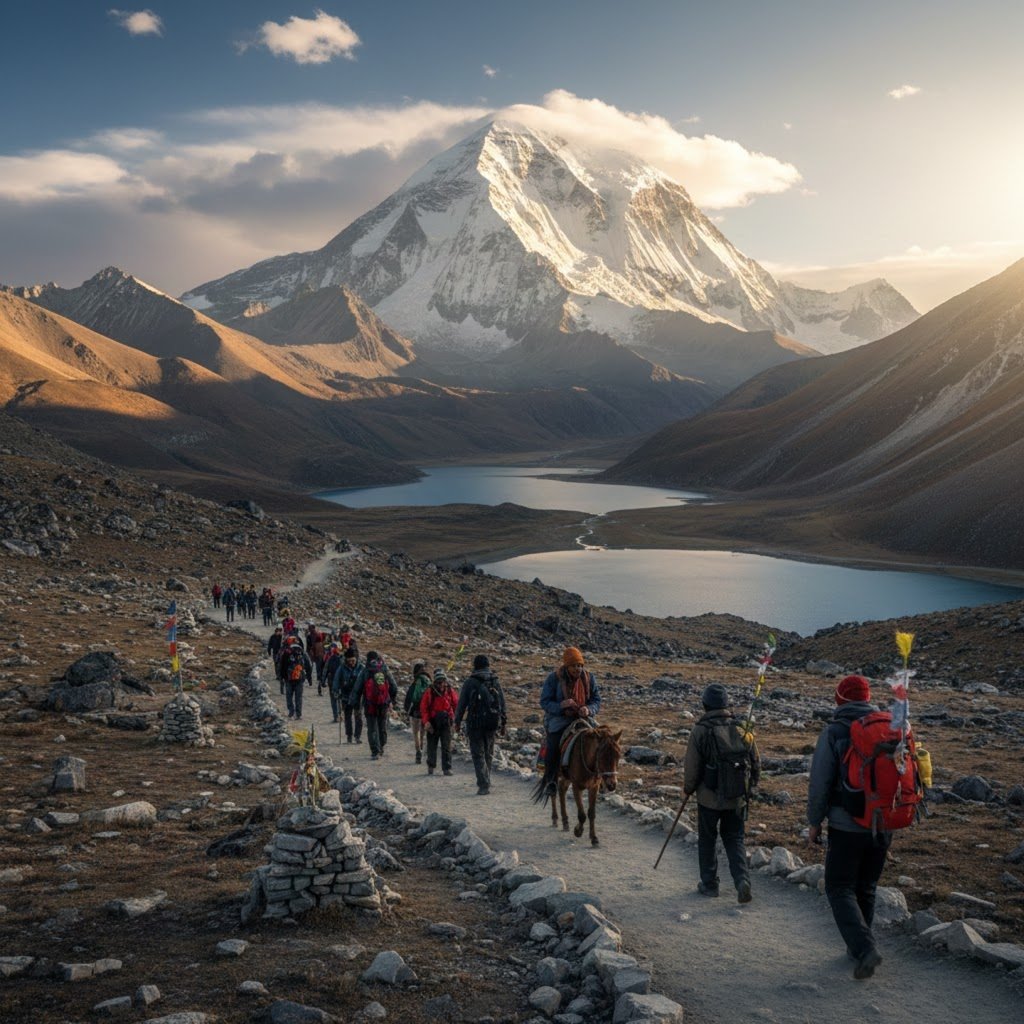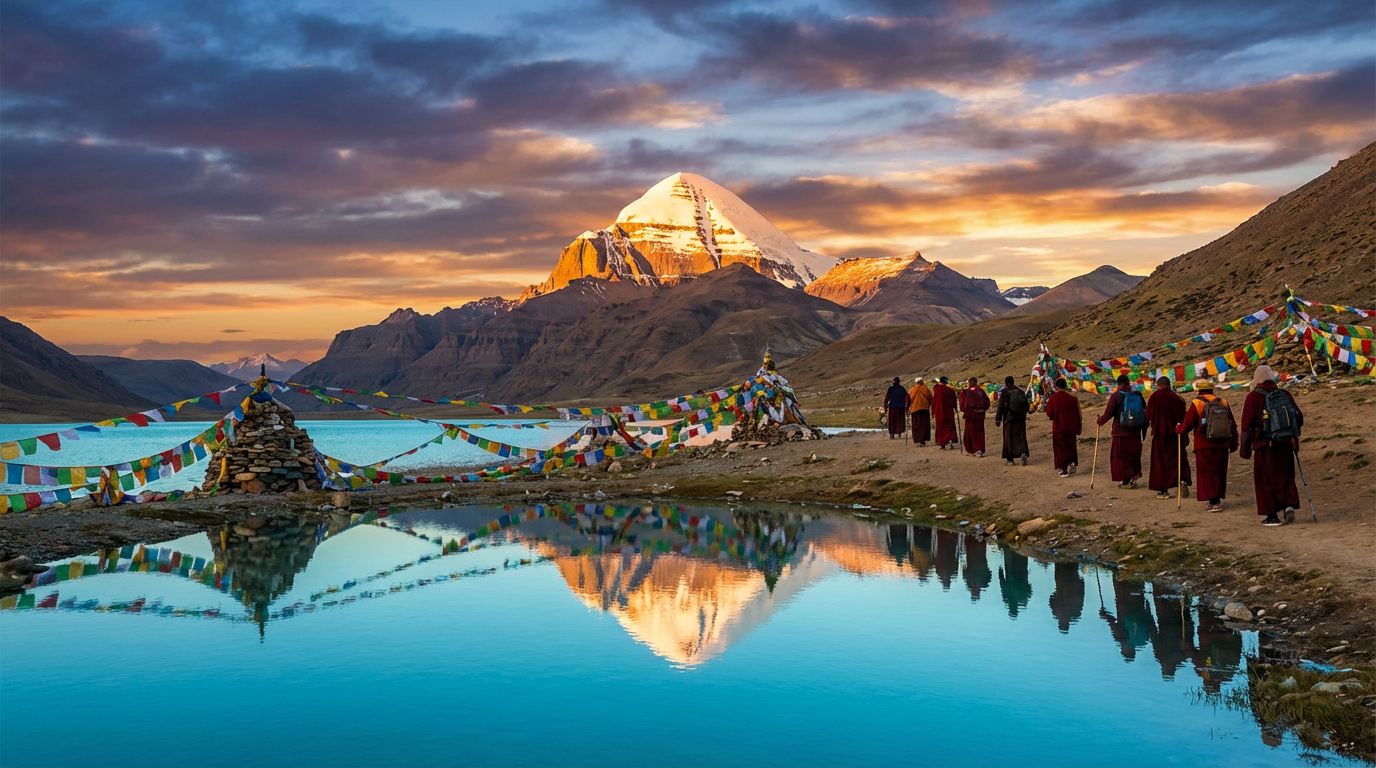
When planning a pilgrimage to the Himalayas, most travelers focus on the radiant energy of Mount Kailash and the serene purity of Lake Mansarovar. However, just a few kilometers to the west lies a destination that is equally captivating and deeply symbolic: Rakshastal.
Known as the “Lake of the Crescent Moon,” Rakshastal is a place of profound duality. In 2026, as pilgrimage routes expand and modern travelers seek deeper, more authentic spiritual experiences, Rakshastal has emerged as an essential site for those who wish to understand the complete metaphysical landscape of the Tibetan Plateau.
Why Rakshastal is a Top Place to Visit in the Kailash Yatra
For those exploring the best places to visit in the Kailash Yatra, Rakshastal offers a stark, contemplative beauty that serves as the perfect balance to Mansarovar. While Mansarovar represents the sun and light, Rakshastal—shaped like a crescent moon—symbolizes the intricate complexities of the human mind and the ego.
The Legend of Penance and Power
The name Rakshastal is derived from the Sanskrit words Rakshas (demon) and Tal (lake), but its story is one of ultimate devotion. According to Hindu scripture, this is the exact site where Ravana, the King of Lanka, performed an intense tapasya (penance) to please Lord Shiva.
Legend tells us that Ravana created this lake as a secluded sanctuary for his meditation. To demonstrate his unwavering focus, he sacrificed one of his ten heads every day into the waters. On the tenth day, Lord Shiva was moved by his austerity and granted him the “Atmalinga” and divine powers. This historical association makes the lake a powerful symbol of discipline, transformation, and the raw pursuit of spiritual strength.
The Scientific Mystery: The Stillness of the Waters
One of the most frequent questions for 2026 travelers is: What makes Rakshastal different from Mansarovar? While Mansarovar is a freshwater lake teeming with life, Rakshastal is a high-altitude saline lake.
High Salinity: The lake sits in an endorheic basin, meaning it has no natural outflow. Over millennia, as water evaporates, minerals and salts have concentrated.
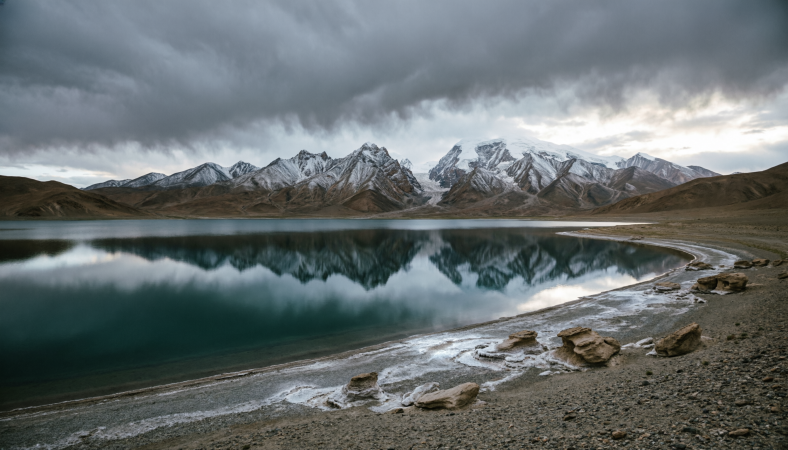
The Quiet Ecosystem: The salt content makes it less hospitable for the fish and aquatic plants found in Mansarovar. This creates a mirrored, glass-like surface that is breathtaking for photography.
The Ganga Chhu Connection: A natural channel called the Ganga Chhu connects the two lakes. Geologists at organizations like ICIMOD monitor this channel, as the flow of water between the freshwater and saline environments is a fascinating barometer for the region’s ecological health.
Exploring Rakshastal in 2026: What to Expect
As of 2026, travel infrastructure in the Ngari Prefecture has improved, though organized tours remain mandatory. According to the latest Tibet Travel Regulations, pilgrims must ensure they have the correct permits for this restricted border zone.
Visual Splendor and Photography
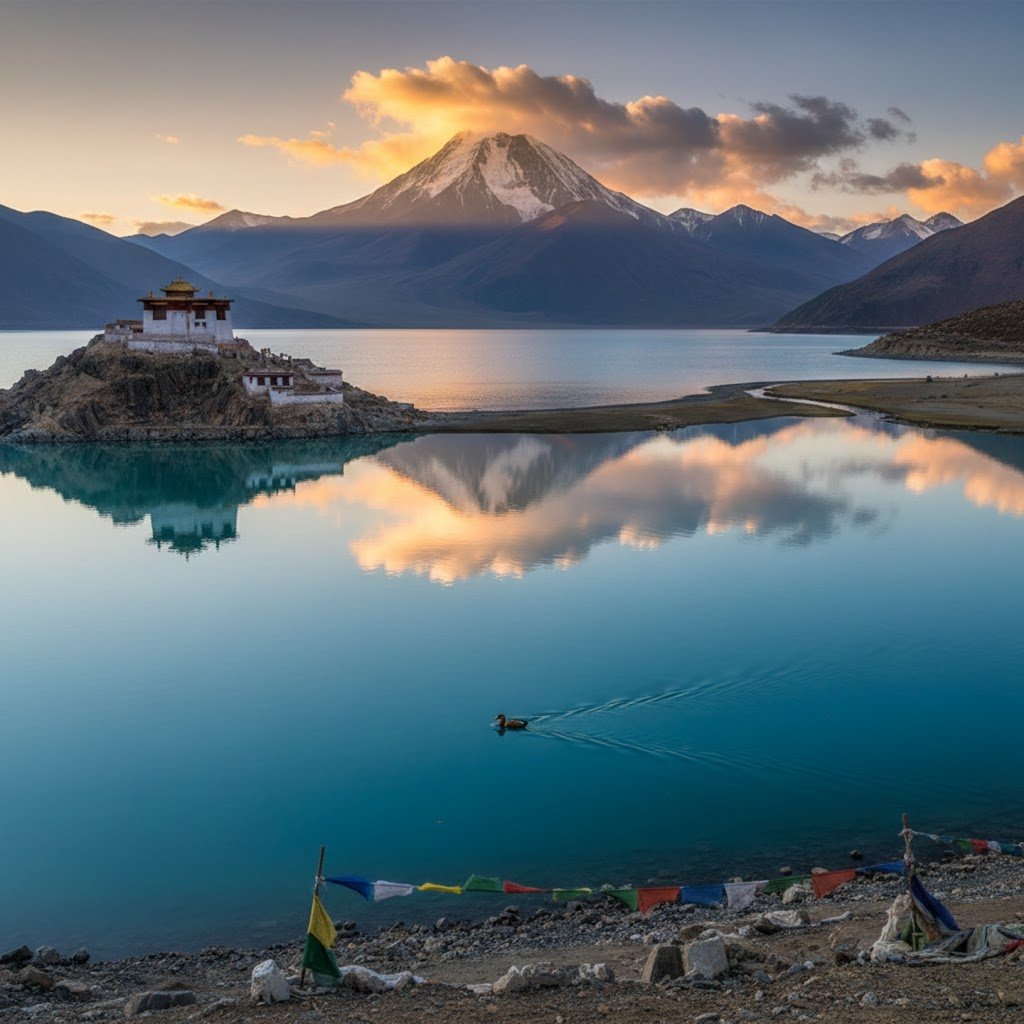
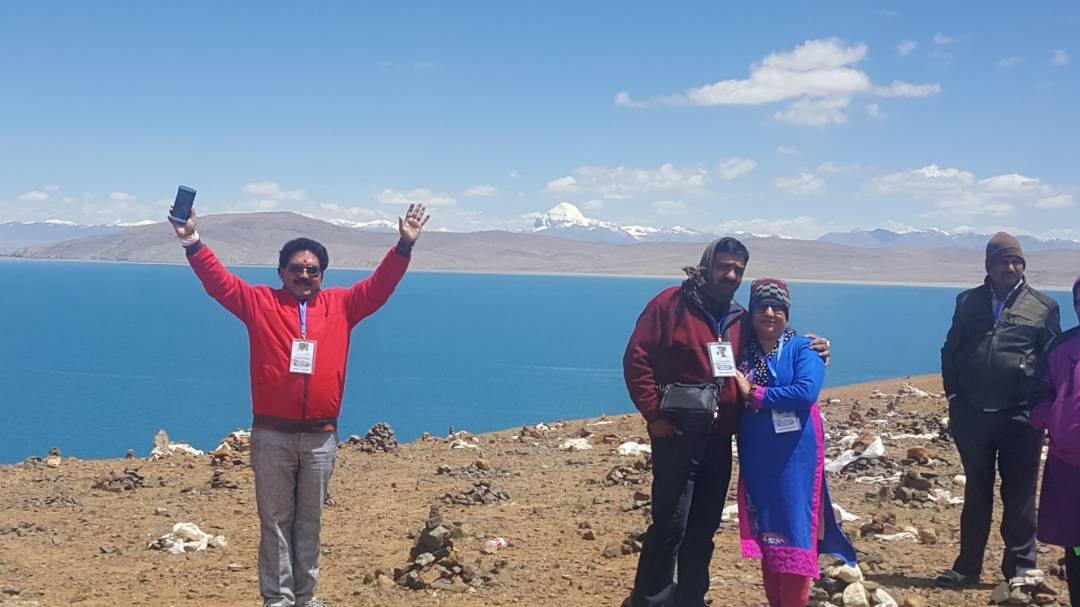
Rakshastal is arguably one of the most beautiful sights in Tibet. The water is a deep, cobalt blue that contrasts sharply with the white cobbles of the shore and the red-hued hills surrounding it.
The Four Islands: The lake contains four major islands—Topserma, Dola, Lachato, and Dosharba. These islands provide a unique landscape that looks almost otherworldly against the Himalayan backdrop.
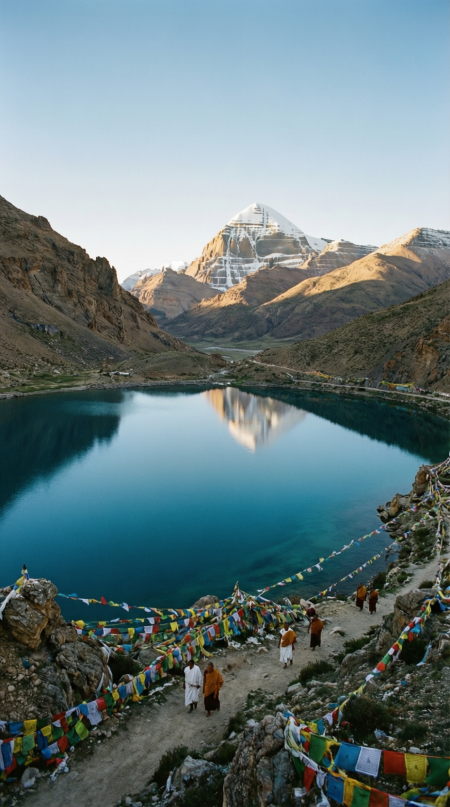
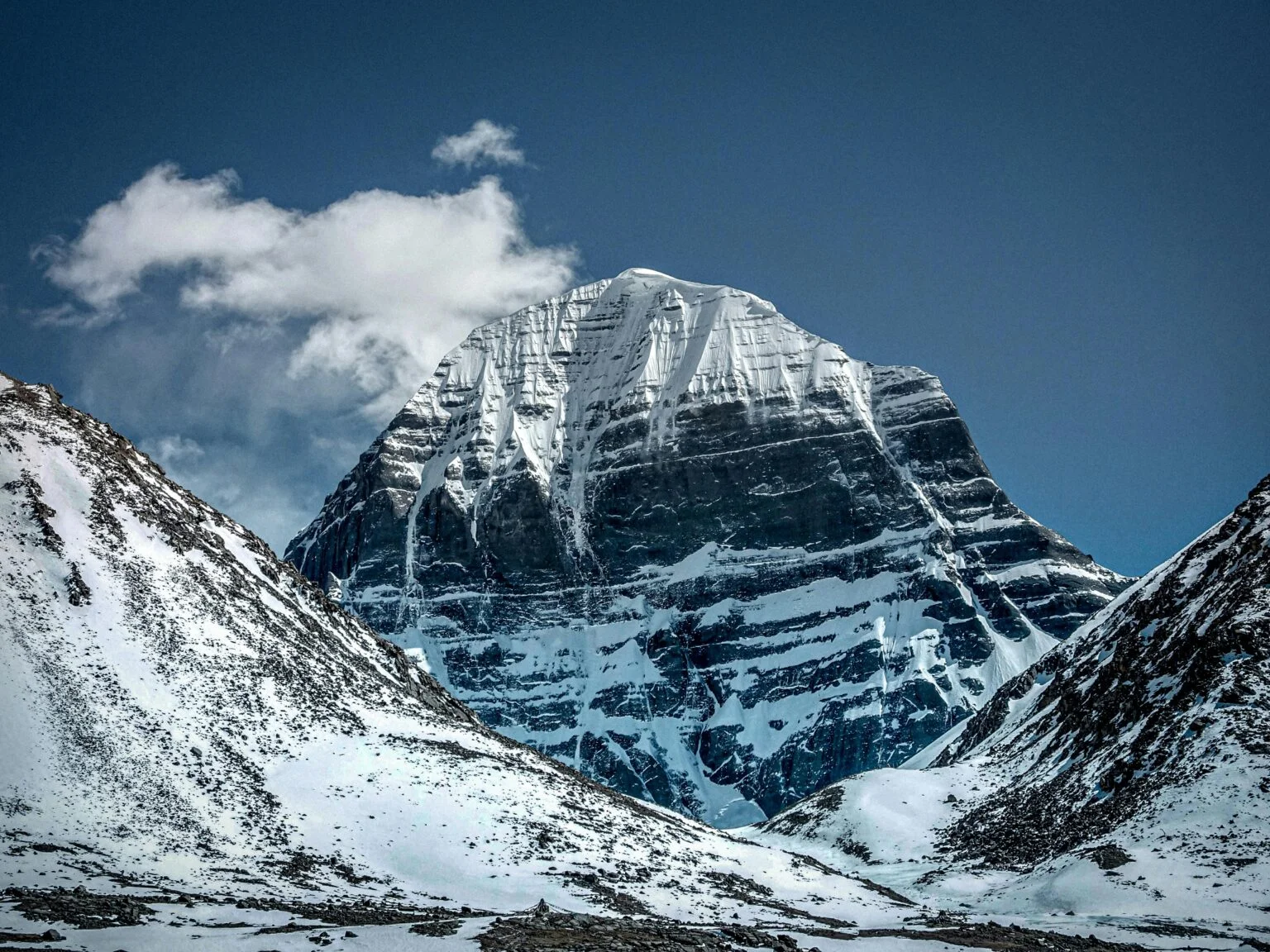
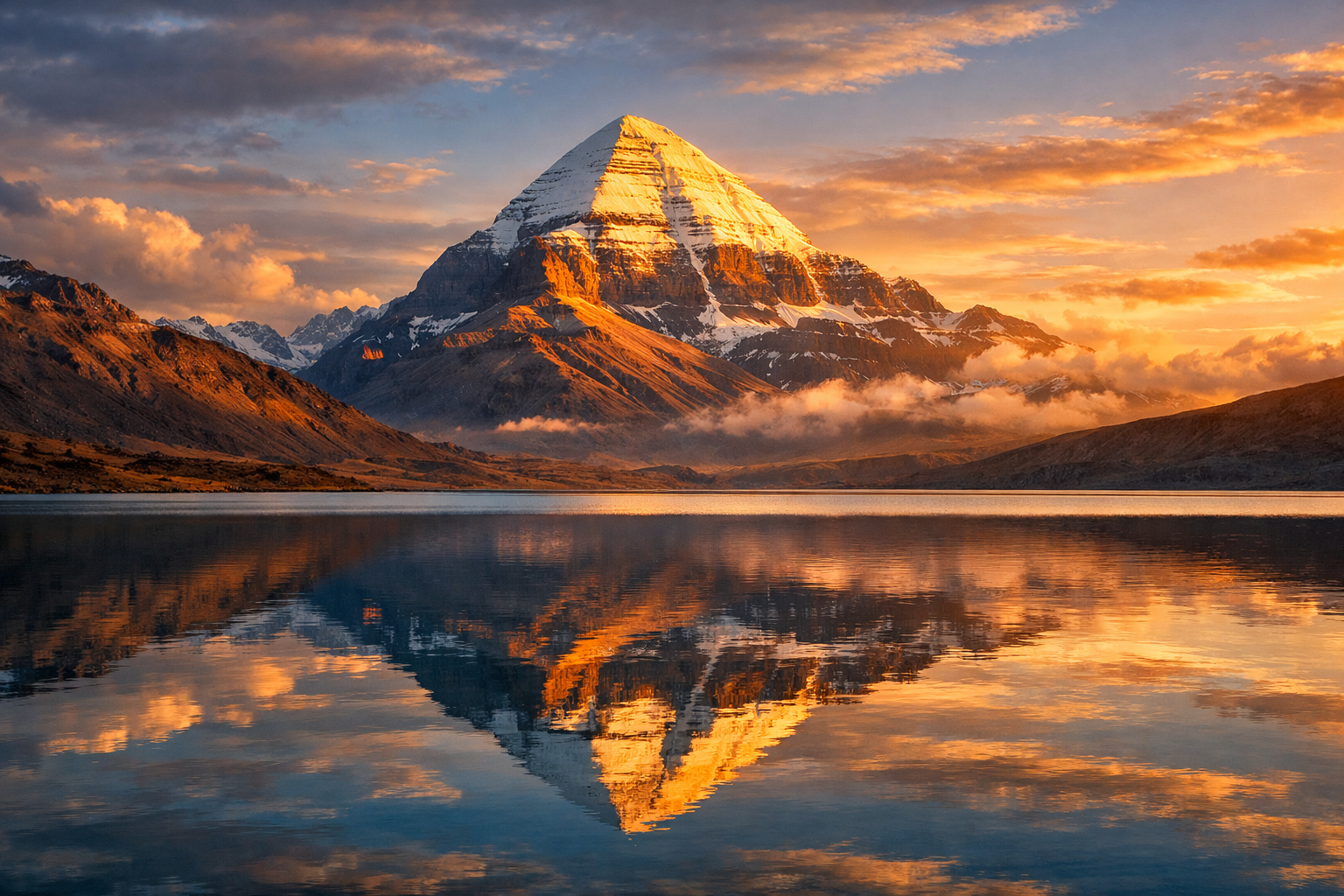
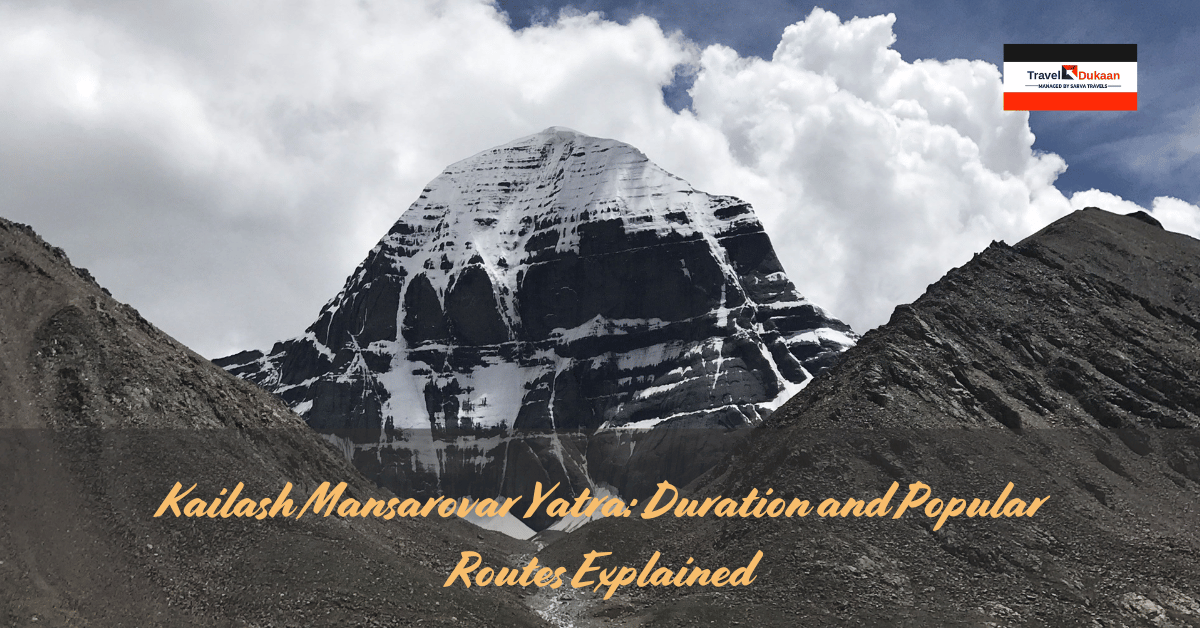
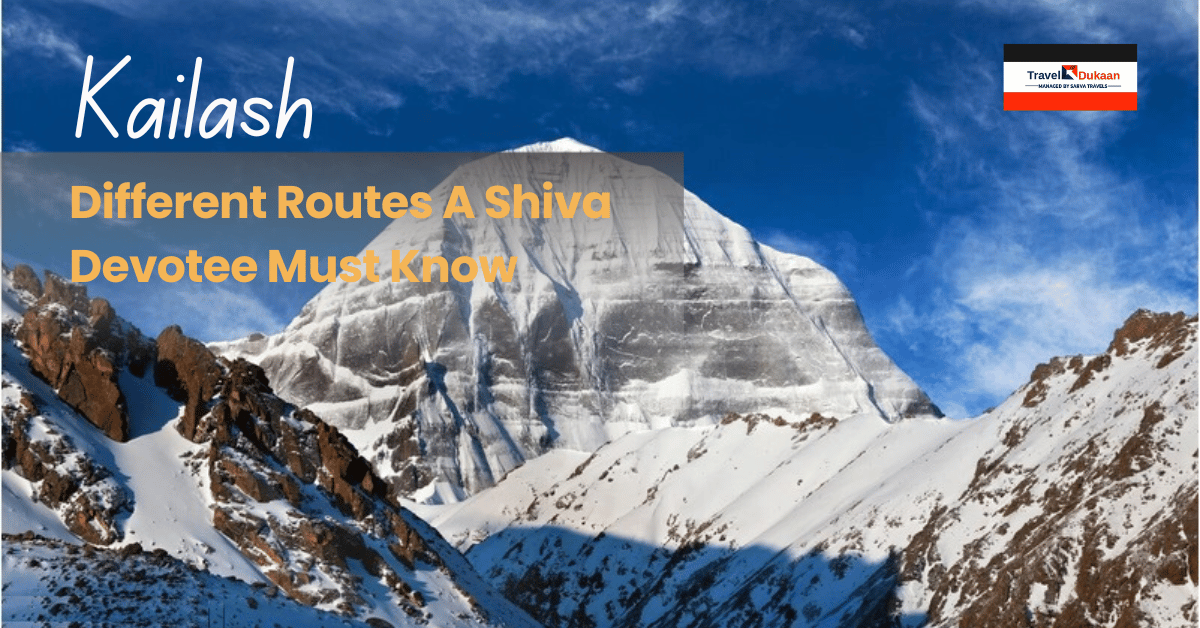
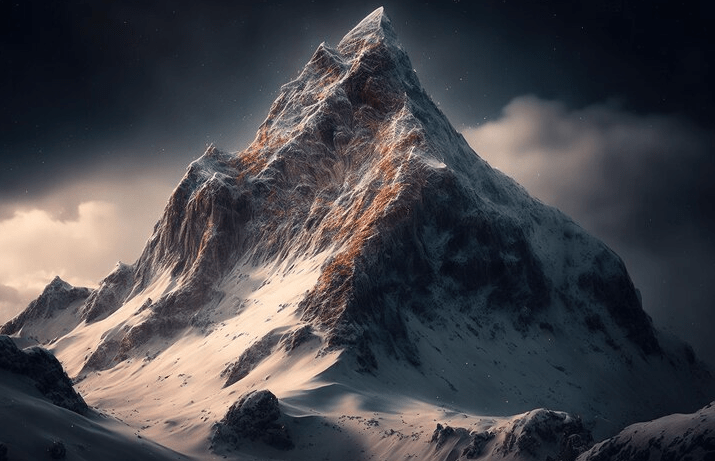
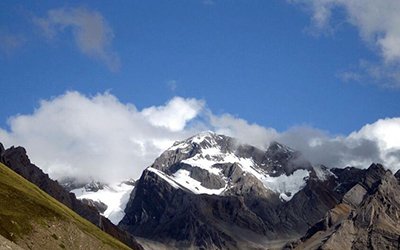
Mount Kailash View: Rakshastal offers one of the most unobstructed and dramatic views of the south face of Mount Kailash. The reflection of the peak in the still, blue waters of the “Moon Lake” is a highlight for every visitor.
Spiritual Lessons: Embracing the Whole
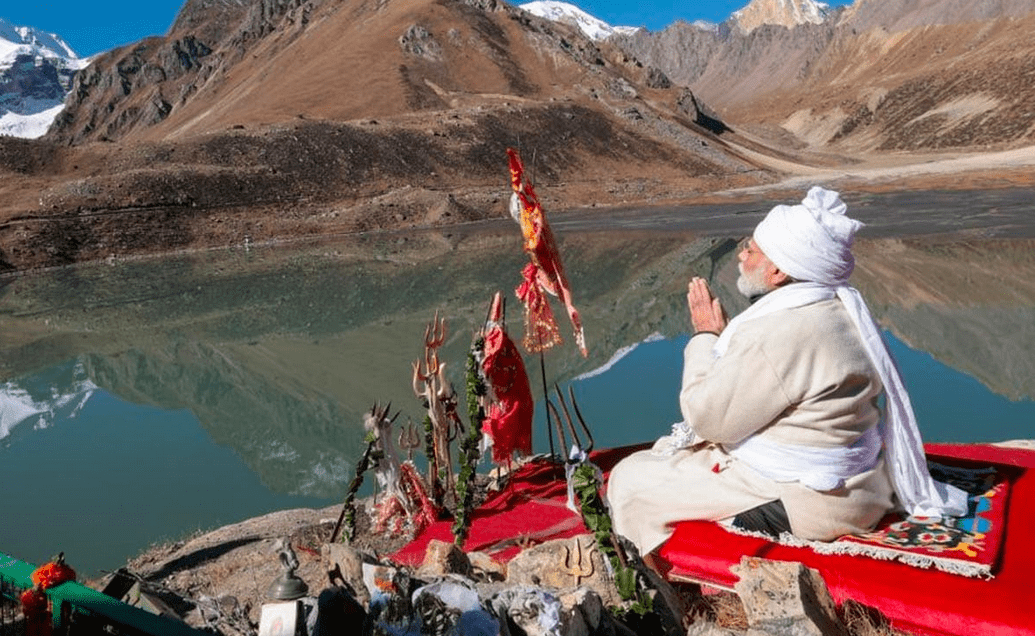
In Buddhist and Bon traditions, Rakshastal is not viewed as a negative place, but as a necessary part of the cosmic balance. It represents the Tamasic quality—the inner conflicts and desires that every seeker must acknowledge before they can achieve enlightenment.
Visiting Rakshastal during your 2026 Yatra is an exercise in introspection. While you seek purification at Mansarovar, you acknowledge your human strengths and weaknesses at Rakshastal. It is a reminder that the spiritual path requires the integration of both light and shadow.
Essential Travel Tips for Your 2026 Visit
Observe Local Customs: Traditionally, pilgrims do not bathe in Rakshastal. It is respected as a place of quiet observation rather than ritual immersion.
Health First: At an altitude of 4,575 meters, the air is thin. Ensure you follow medical advice from sources like the High Altitude Medicine Guide to manage your oxygen levels.
Climate Preparedness: Even in peak season, winds at Rakshastal can be biting. Wear windproof layers and use high-SPF protection.
Conclusion: Completing the Sacred Circle
No Kailash Mansarovar Yatra is complete without witnessing the silent, majestic beauty of Rakshastal. It is the lake that tells a story of devotion and the eternal balance of the universe. As you stand on its shores in 2026, you are completing the sacred circle of the Himalayas.
Embark on Your 2026 Spiritual Odyssey with Travel Dukaan
Planning a journey to the roof of the world requires precision, local expertise, and a deep respect for the land. At Travel Dukaan, we specialize in curated Kailash Mansarovar Yatra packages that ensure you experience every sacred site—from the divine heights of the Dolma La Pass to the majestic shores of Rakshastal—with comfort and safety.
Secure Your Permit for the 2026 Season Today! 👉 Explore Our 2026 Kailash Yatra Tour Packages

With over 15 years of experience in the travel industry, Narendra Rathore is the proud owner of Travel Dukaan, a premier travel agency based in Gota, Ahmedabad. As a tour operator, Narendra’s expertise and passion for travel have guided countless clients to unforgettable destinations. His deep knowledge of the industry and commitment to exceptional service make him a trusted resource for travel enthusiasts seeking their next adventure.