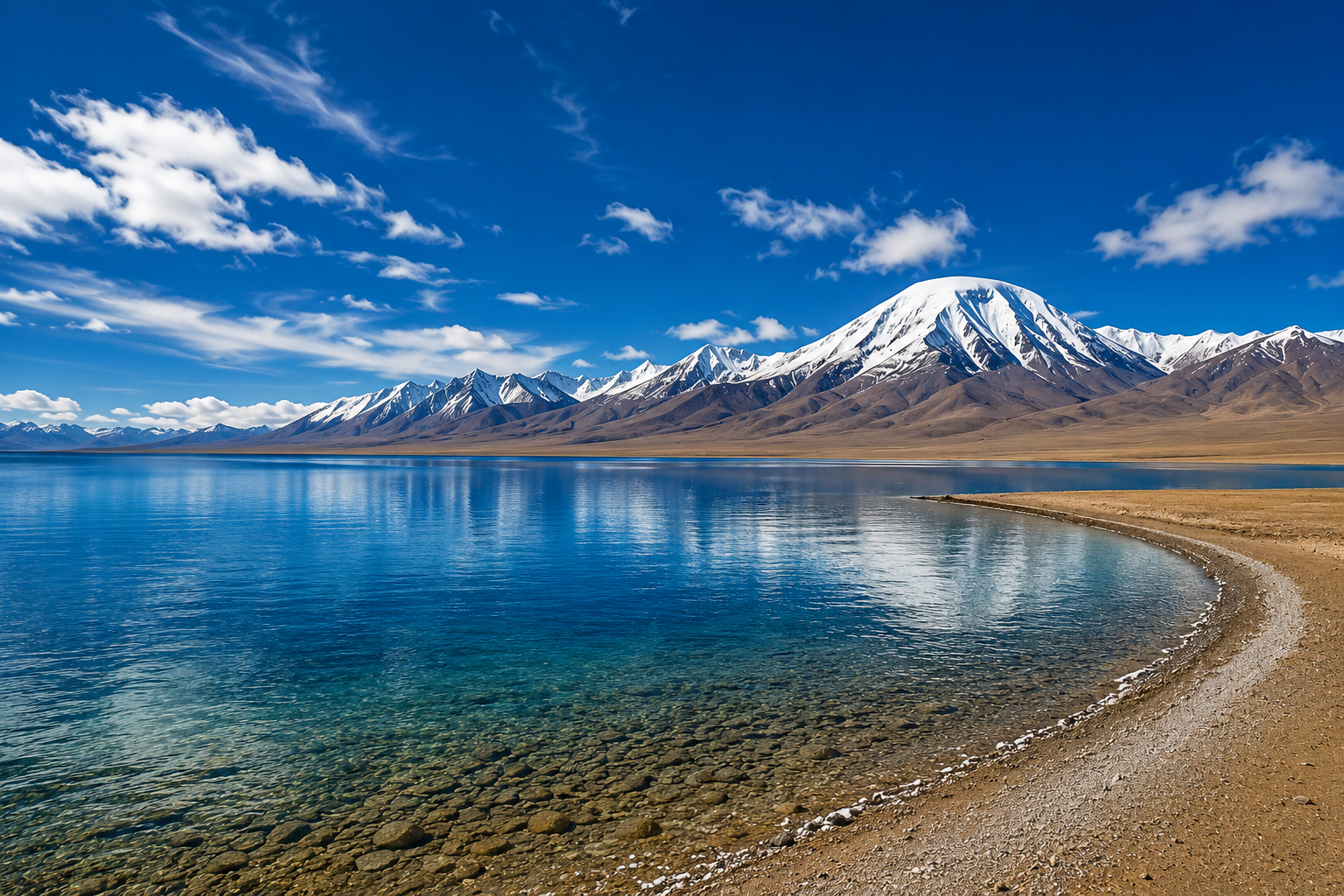
There are some places where the destination is not enough by itself. Mansarovar Lake is one of them. While numerous tourists feel attracted to the place and want to visit it, they do not know exactly what its location and significance are. Do not be surprised. The process of getting to the lake is challenging, and sometimes the information is overwhelming.
However, once you learn some details about the place, you will find it easier to comprehend and imagine what it looks like. Thus, your trip to this sacred place will become smoother and more predictable.
Exact Location of Mansarovar Lake
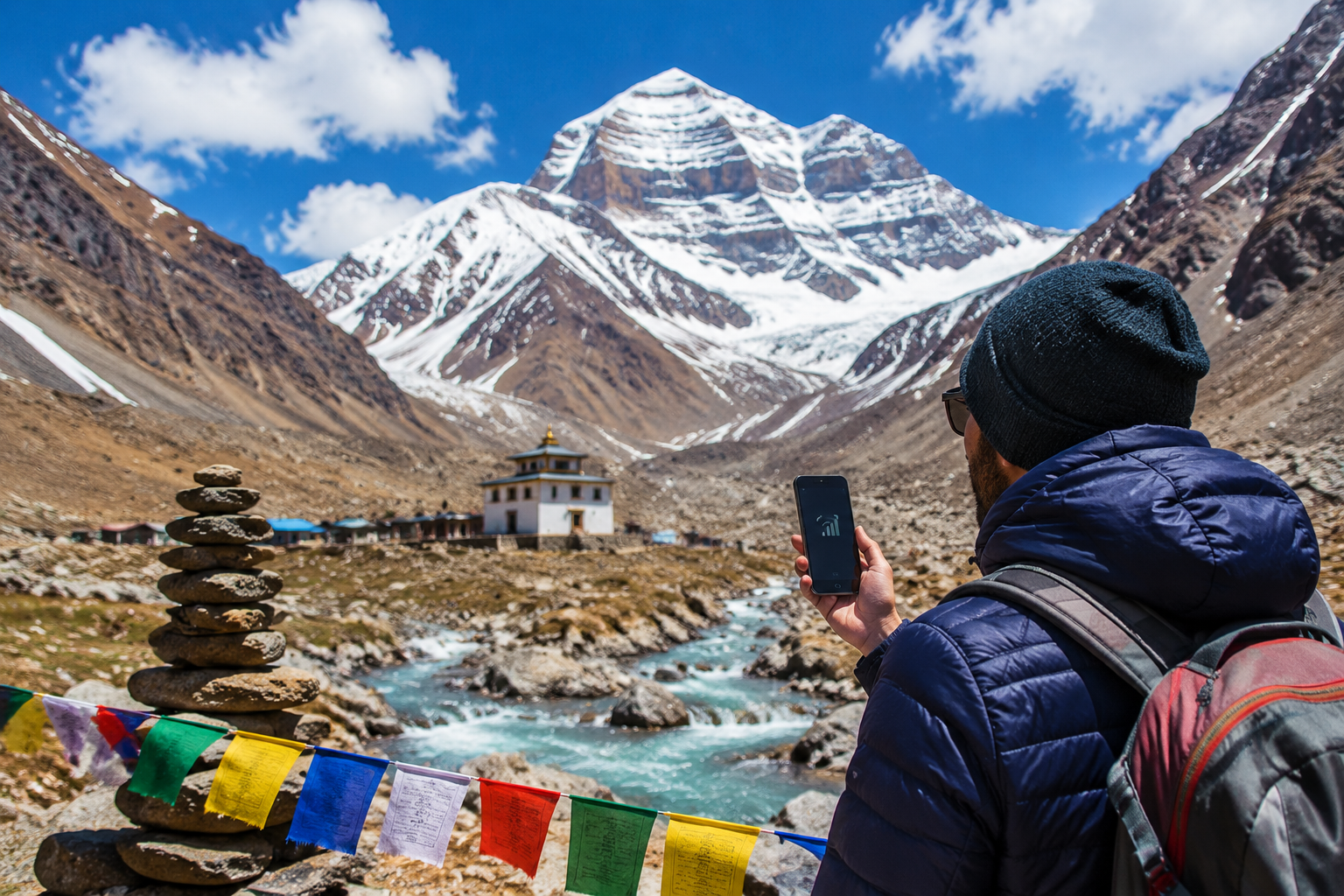
Mansarovar Lake is situated in the Trans-Himalayan zone in Tibet, in the area of Mount Kailash. It stands on an elevation of nearly 4,590 metres above sea level, and thus can be called one of the world’s highest freshwater bodies.
One may ask oneself why it is significant to know about this location of the lake. The reason is quite simple – due to its closeness to Mount Kailash, it plays a key role in the process of the Kailash Mansarovar Yatra, which is known for its spiritual significance.
Due to the remoteness and altitude of the lake, the journey requires proper preparation.
Features & Landscape
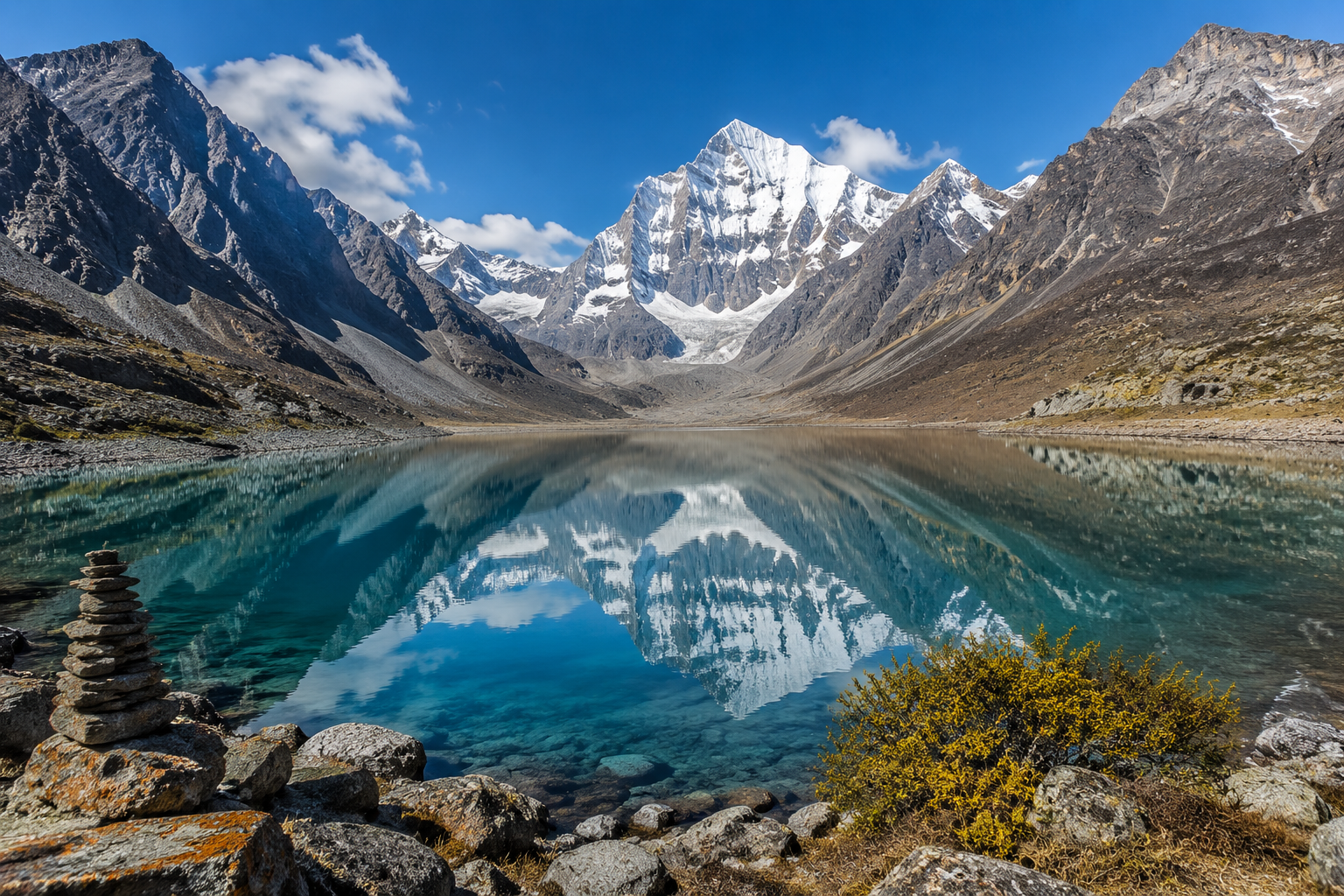
Mansarovar Lake occupies quite a large area. It covers up to 320 square kilometres. One more feature of the place is its circular form, which symbolises harmony and balance.
Besides, there is another lake near Mansarovar named Rakshastal, which has a crescent shape and consists of salt water.
This contrast between the two lakes forms a specific landscape of the region, which symbolises harmony in nature. Moreover, this area is characterised by the presence of mountains, glaciers and rugged relief typical of the High Himalayas.
Spiritual Significance in Various Religions
The lake is sacred for a number of religions, such as Hinduism, Buddhism, Jainism and Bon traditions.
According to the beliefs of the Hindus, this lake was created in the imagination of Brahma prior to its existence on Earth. Immersion into its waters allows one to clean the spirit.
For Buddhists, it is connected with the birth of enlightenment. Jain followers associate this lake with liberation, and for Bon adherents, it is a source of energy for the universe.
As you can see, various religions differ in terms of views on the lake. However, despite these differences, they all coincide on one point, and it is that the lake symbolises purity, self-reflection and spirituality.
Approach to the Holy Lake
In order to reach Mansarovar Lake, travellers may follow different ways. For example, there are several options for overland trips and for air travel via helicopter.
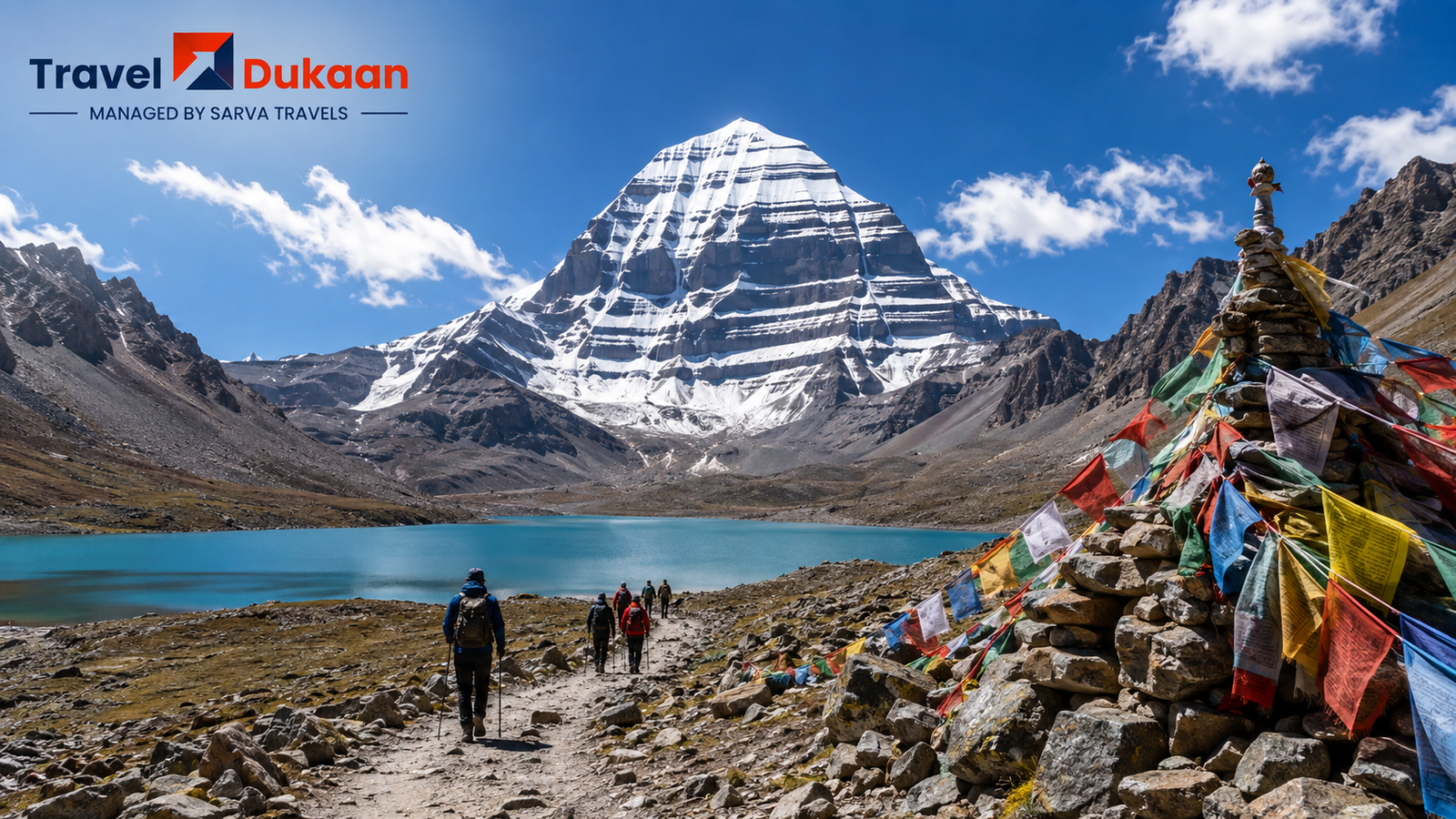
One of the most difficult routes is the Kailash Parikrama. It is a 52 km long journey, which involves crossing of high-altitude passes and climbing steep paths.
During this trip, travellers may experience a variety of landscapes, ranging from valleys to snowy zones.
Thus, the trip itself turns out to be as important as the destination.
Reasons Behind the Transformation of Travellers
Being close to Mansarovar Lake usually creates a special atmosphere of peace and self-reflection. The silence of the mountain and the clarity of the water create this unique atmosphere.
Many visitors describe their experience of visiting the lake as a rather personal one. This experience is not limited to the view only; it concerns more inner feelings.
This makes the journey unique and memorable.
Conclusion
The lake is more than just a geographic place. It is a place where nature and spirituality are closely related to each other. Each detail of the journey is meaningful. With adequate understanding and preparation, the journey turns out to be easy and very valuable.
For those who want to explore the sacred place clearly and confidently, Travel Dukaan provides necessary assistance.