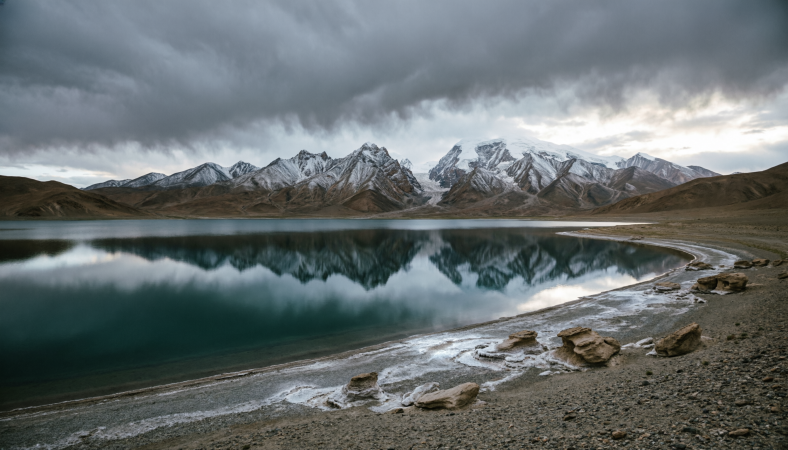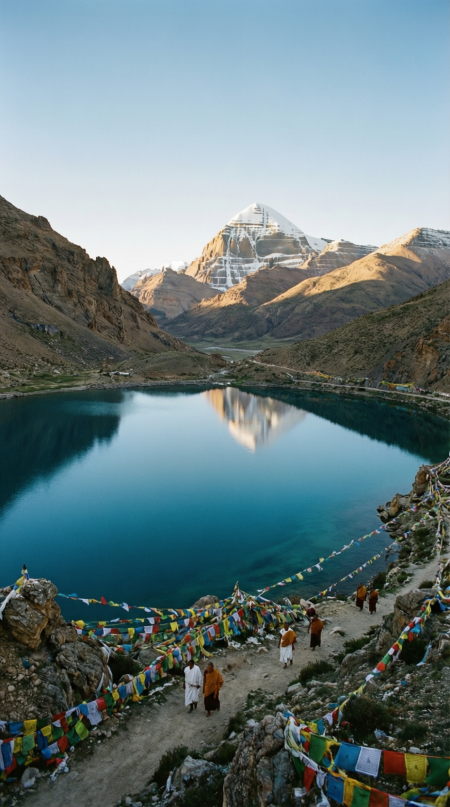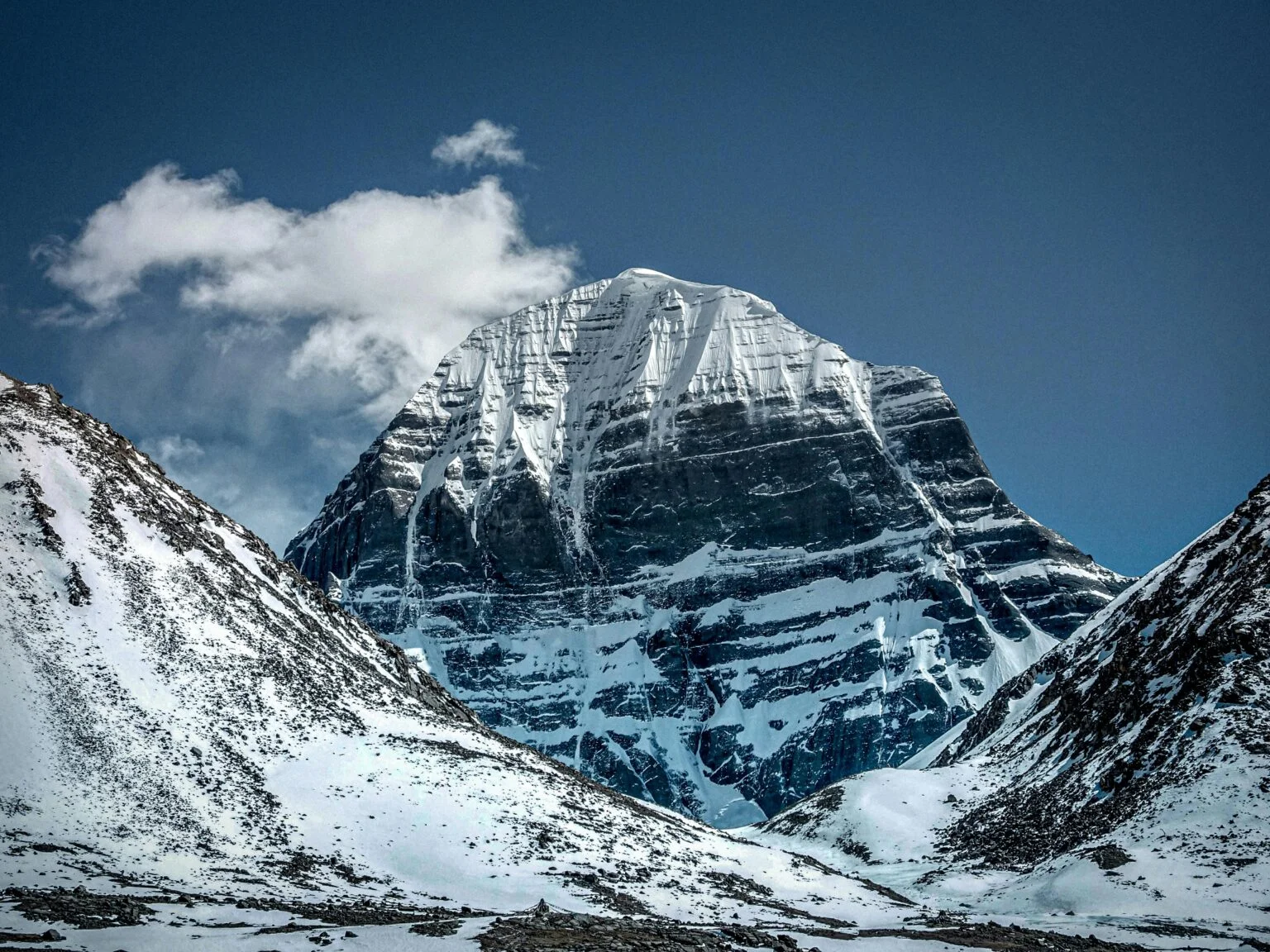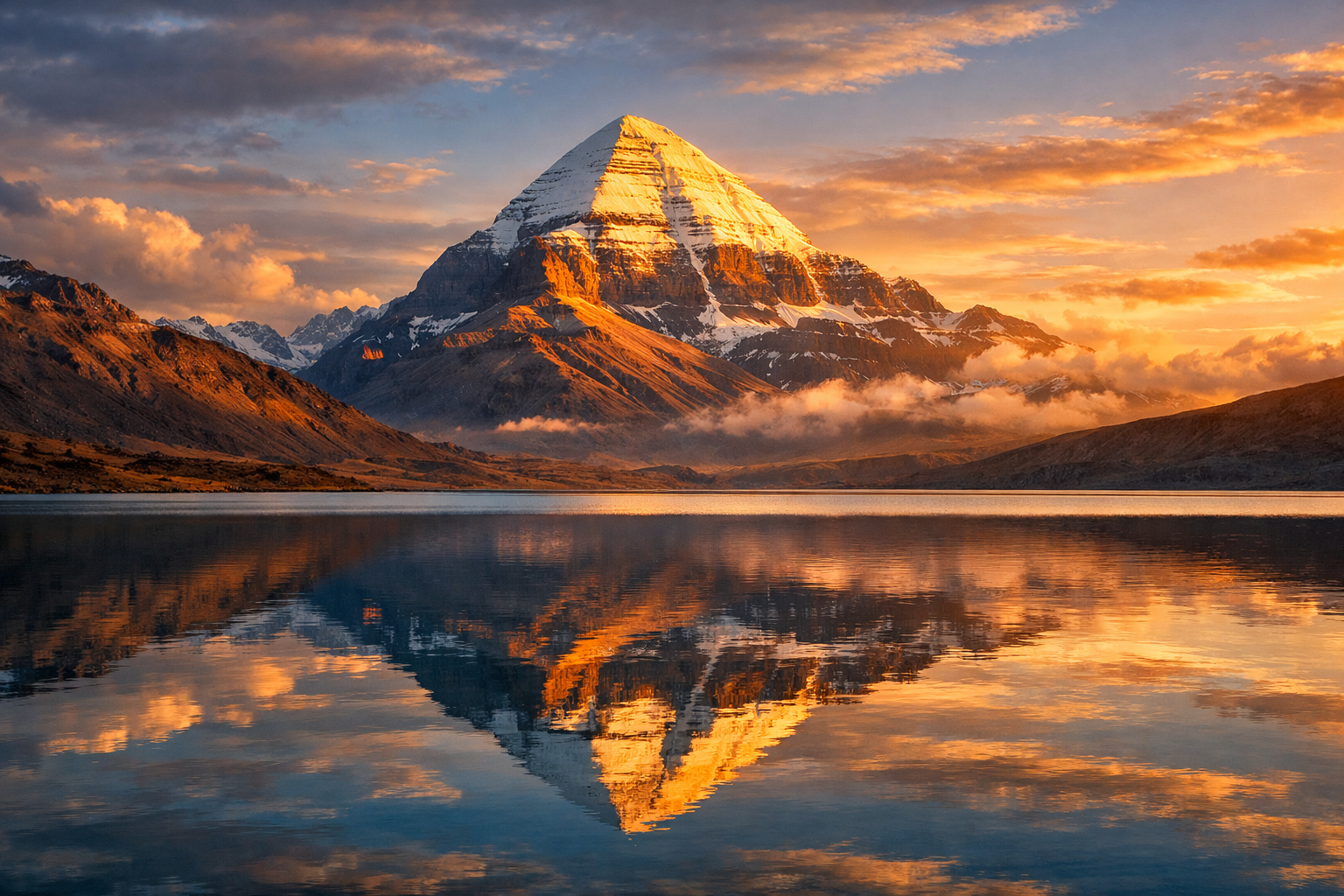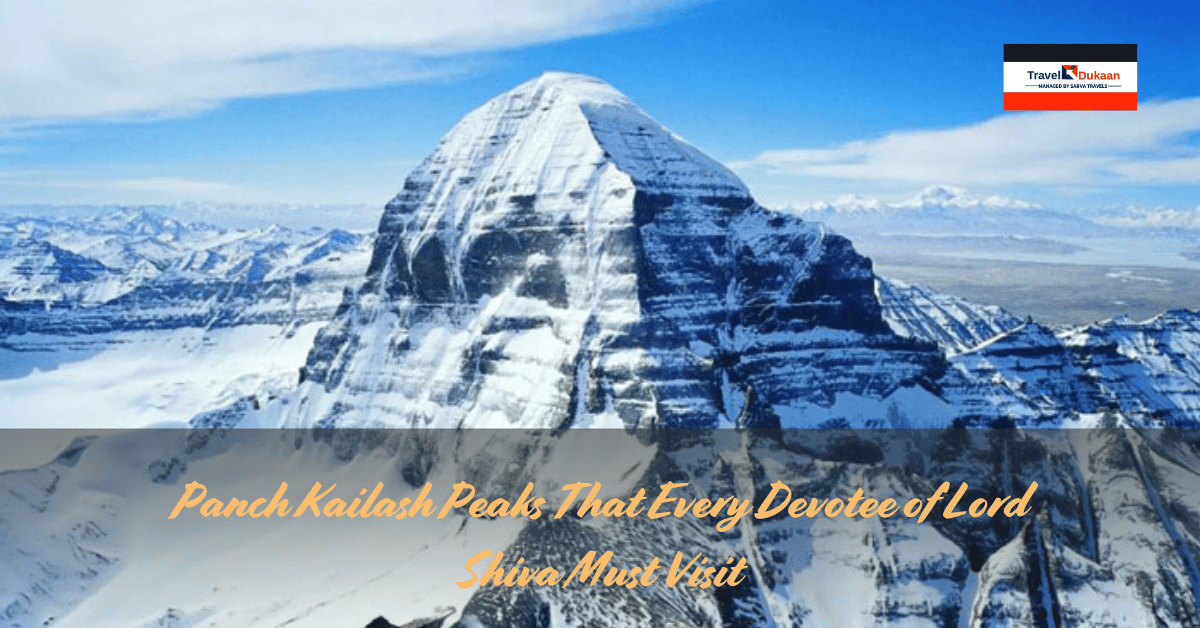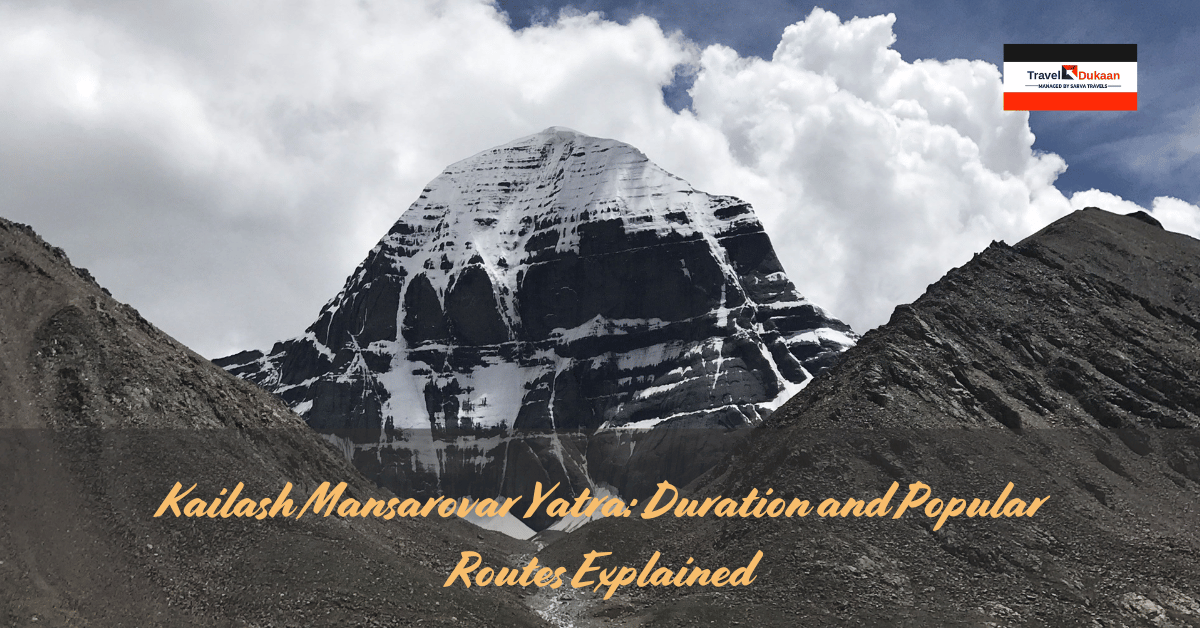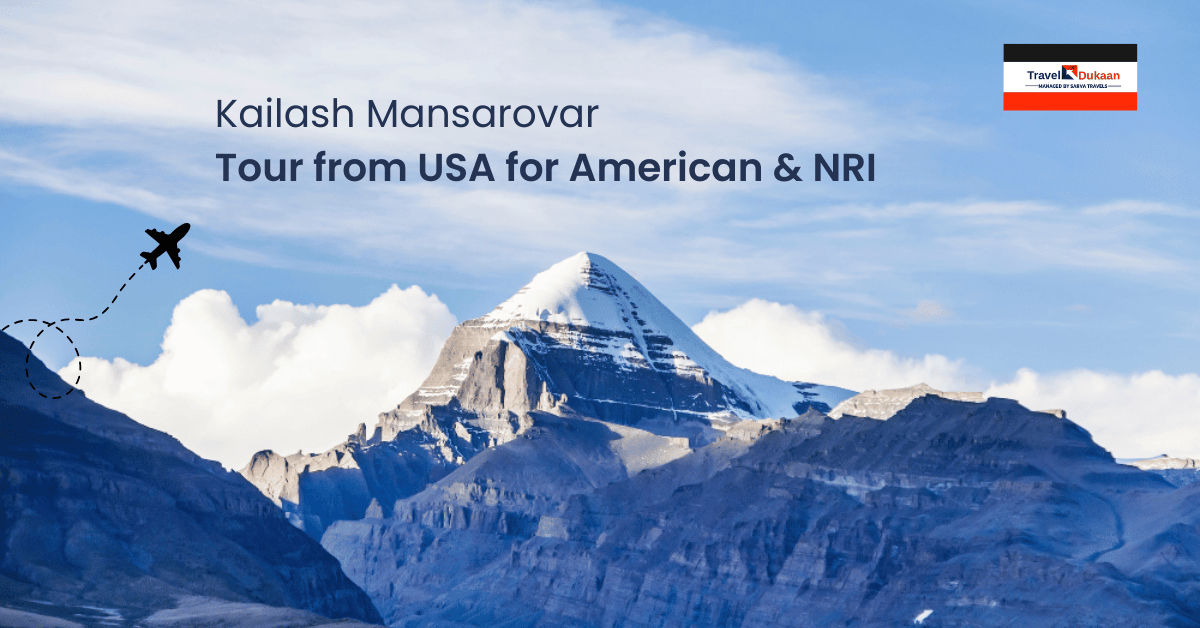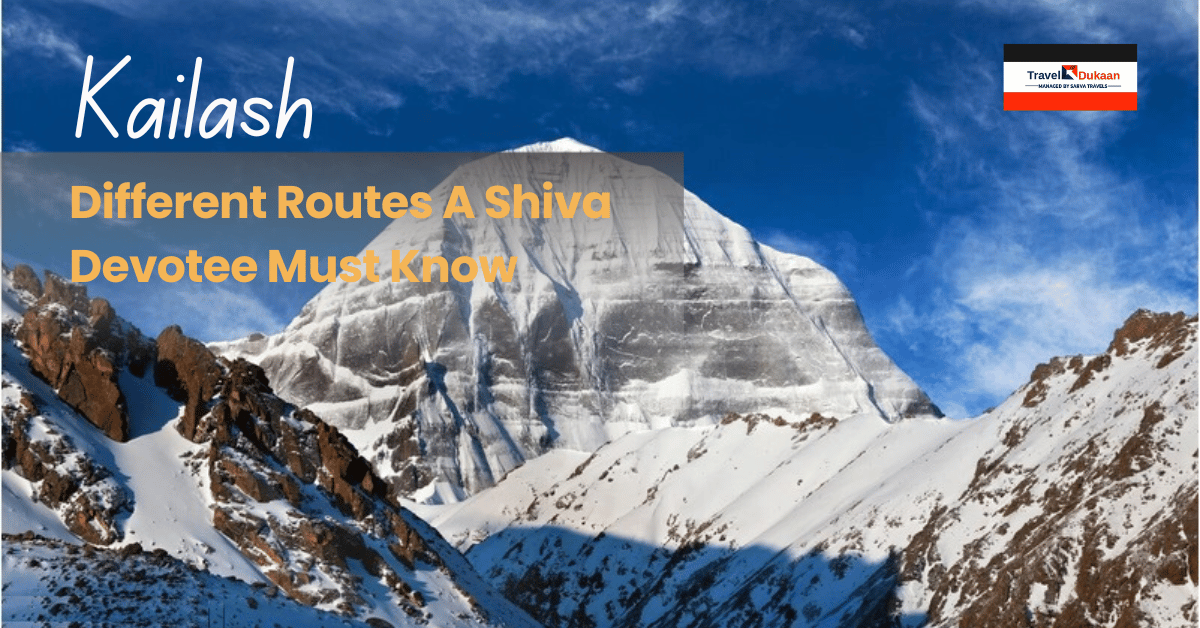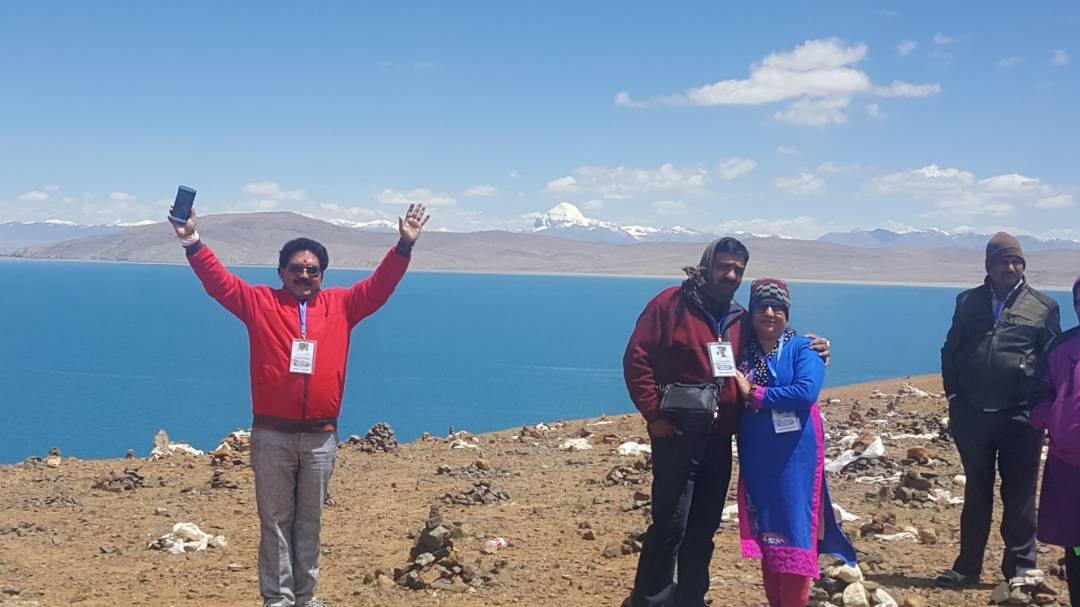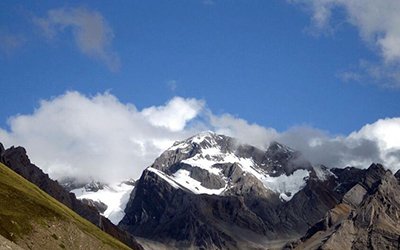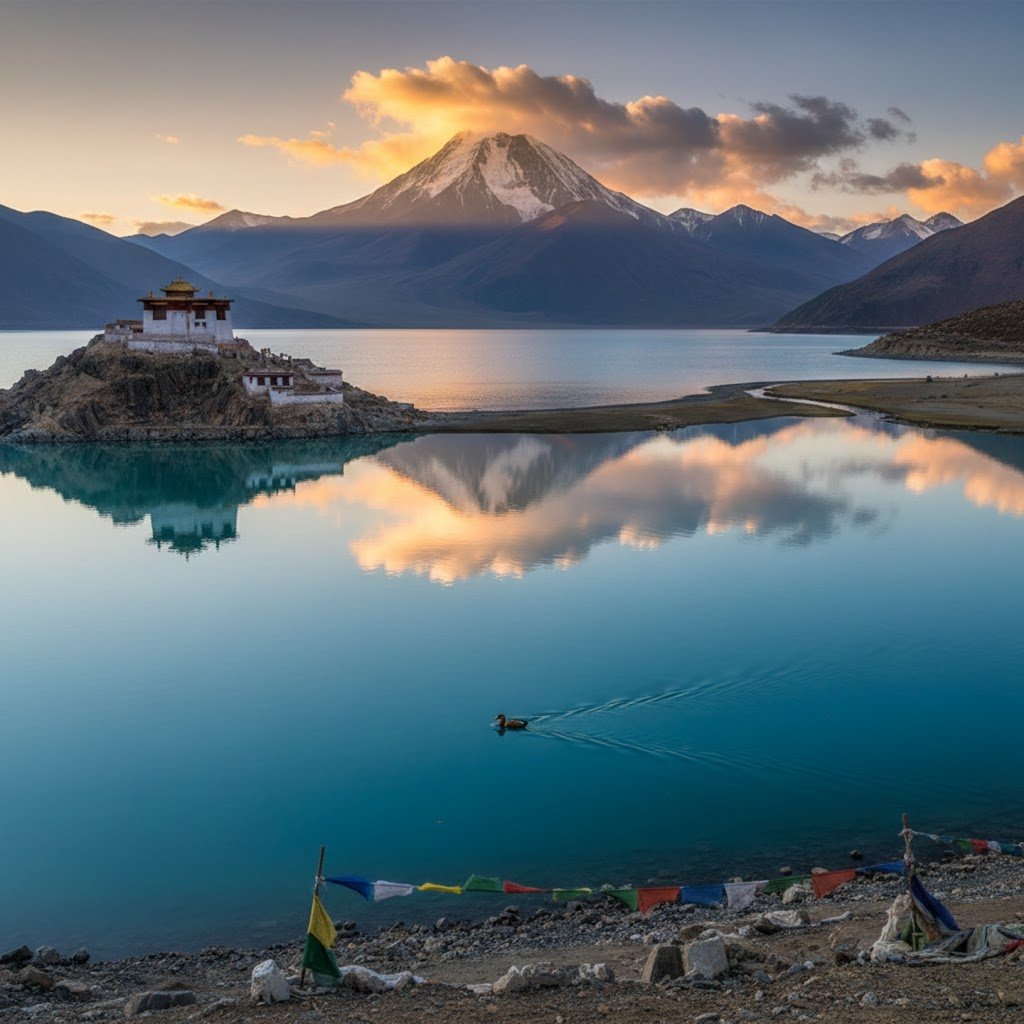
Nestled at an elevation of 4,590 meters (15,060 feet) in the remote Trans-Himalayan region of Tibet, Lake Mansarovar is far more than a geographic landmark; it is a spiritual phenomenon. Known as the highest freshwater lake in the world, it sits like a shimmering turquoise jewel at the foot of the majestic Mount Kailash. For millennia, this sacred site has served as the ultimate destination for seekers of truth, believed to wash away the sins of lifetimes and offer a glimpse into the divine.
As we move through 2026, a year of immense astrological and spiritual significance, the call of Mansarovar is stronger than ever. Whether you are a devout pilgrim or an intrepid traveler, understanding the depths of this “Lake of the Mind” is the first step toward a life-changing journey.
2026: The Rare ‘Year of the Horse’ Pilgrimage
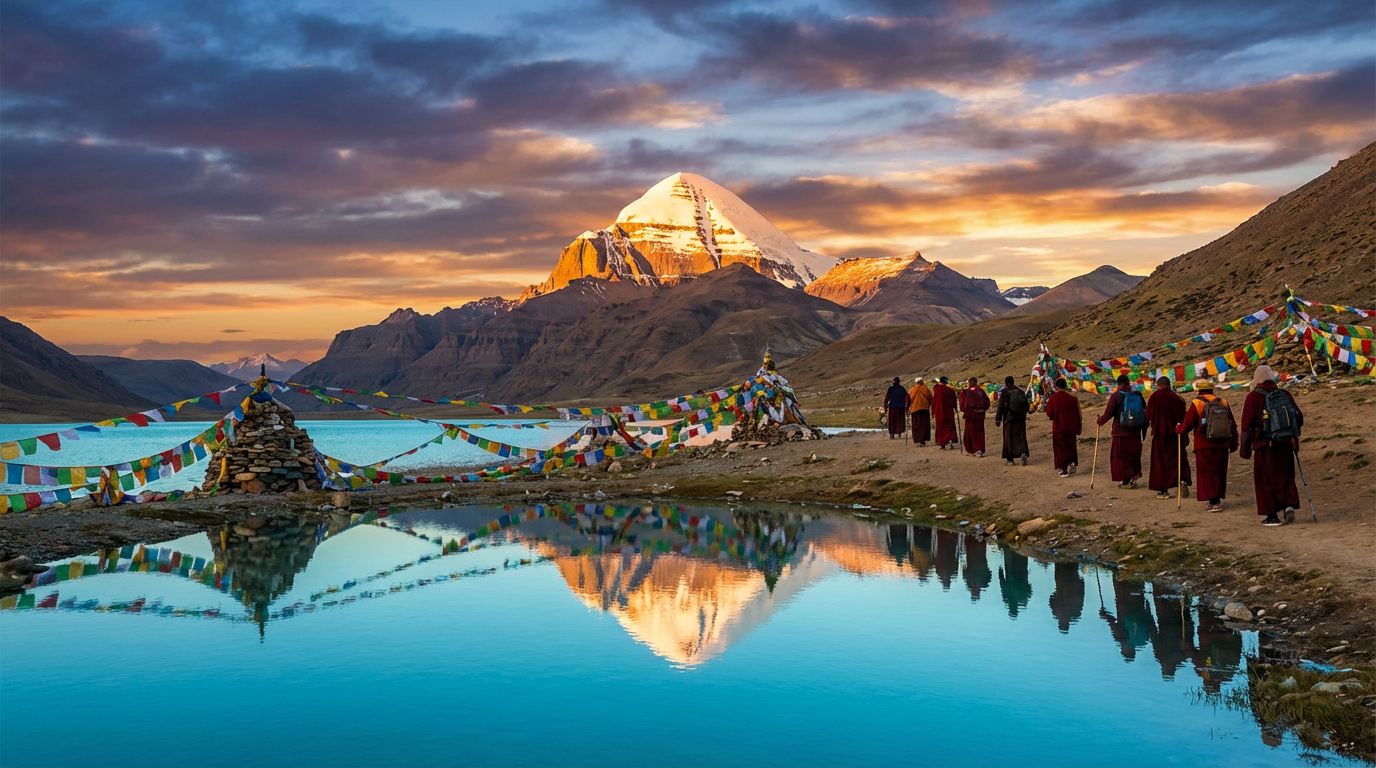
The year 2026 is not just another trekking season; it is the Tibetan Year of the Fire Horse, a cosmic event that occurs only once every 60 years. In Himalayan spiritual traditions, performing the Parikrama (circumambulation) of Mount Kailash and Lake Mansarovar during the Horse Year is believed to multiply the spiritual merit of the journey by 13 times.
For many, 2026 is considered the “Mahakumbh of the Himalayas.” This rare alignment is expected to draw record-breaking numbers of pilgrims, making early planning, physical preparation, and timely permit registration essential. You can track official government announcements regarding group sizes and border openings via the Ministry of External Affairs (MEA) portal.
The Spiritual Significance: A Confluence of Faiths
The name “Mansarovar” is derived from the Sanskrit words Manas (mind) and Sarovar (lake). According to Hindu scripture, the lake was first conceived in the mind of Lord Brahma before it manifested on Earth. It serves as a rare point of intersection for four major religions:
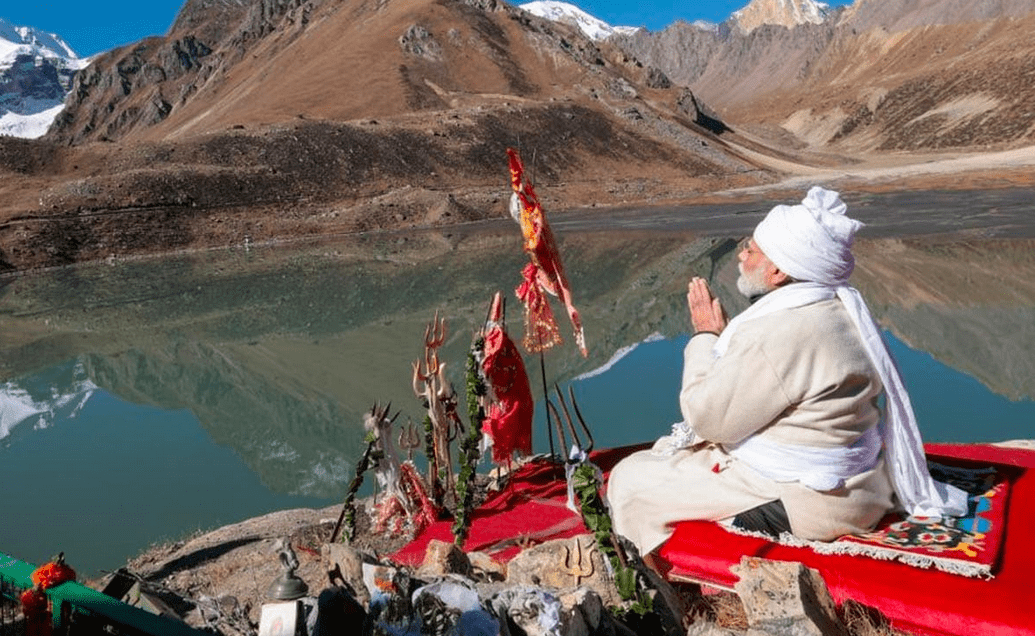
Hinduism: It is revered as the bathing place of the Gods. Taking a holy dip in its freezing waters during the Brahma Muhurta is said to cleanse the soul.
Buddhism: Known as Lake Anavatapta, it is closely associated with Queen Maya. To understand the deeper Buddhist connections to this landscape, the Tibet Policy Institute offers extensive research on the region’s heritage.
Jainism: The faith associates this region with the first Tirthankara, Lord Rishabhdev, who is believed to have attained Nirvana at the nearby Ashtapad.
Bon Religion: The indigenous faith of Tibet considers the lake a primary source of spiritual energy.
Geography and the Mystery of the Twin Lakes
Lake Mansarovar spans approximately 320 square kilometers. It is remarkably round, symbolizing the sun and positive energy. However, the true mystery lies just a few kilometers away at Lake Rakshastal.
The Duality of Light and Dark
While Mansarovar is freshwater and calm, Rakshastal is its “dark twin”—a crescent-shaped saltwater lake. This duality is a hallmark of the region’s unique geography. Scientific observations of the plateau’s changing water levels can be found through the International Centre for Integrated Mountain Development (ICIMOD), which monitors the Himalayan ecosystem.
The Ganga Chhu: A thin natural channel connects the two lakes. Legend says that when water flows from Mansarovar into Rakshastal, it signifies a cosmic balance between good and evil.
Preparing for the 2026 Yatra: Routes and Regulations
Reaching Lake Mansarovar requires physical stamina and careful navigation of international permits. For 2026, there are three primary ways to undertake the Yatra:
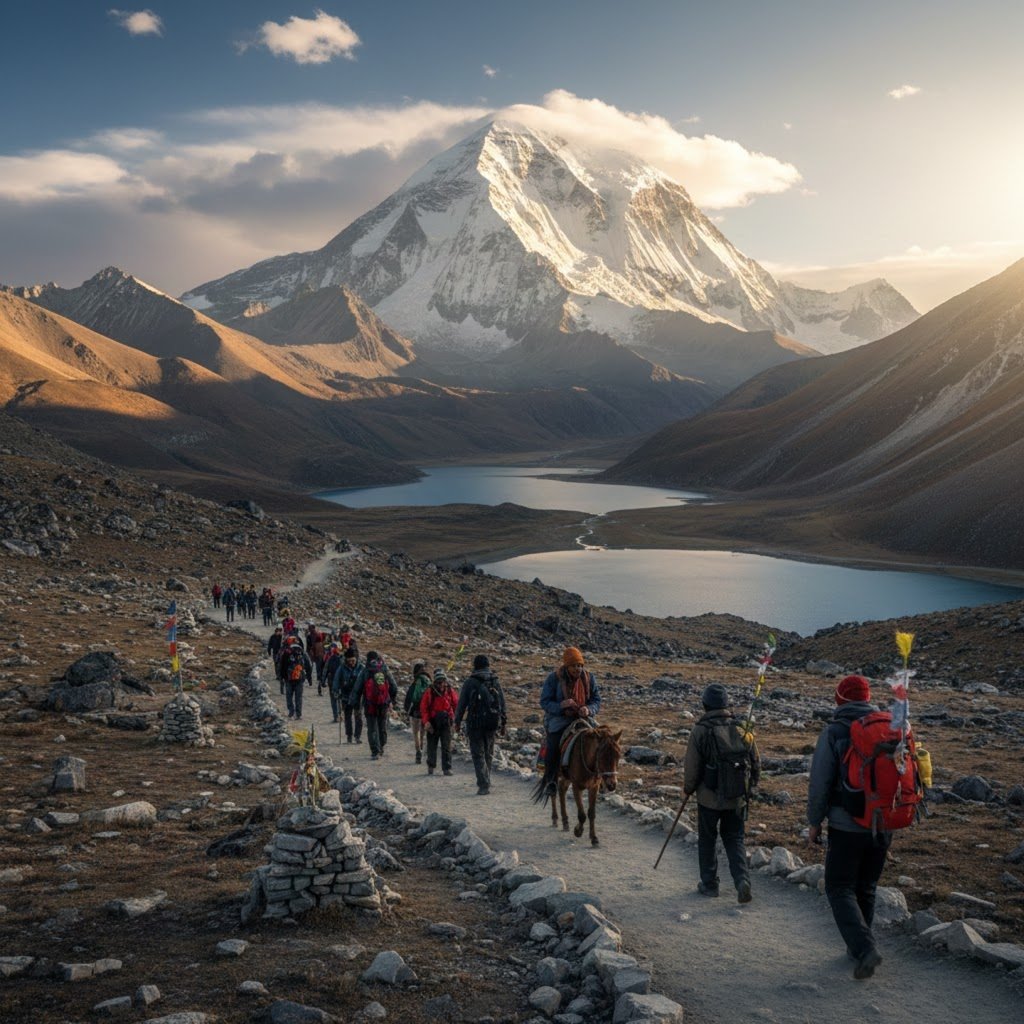
The Official Government Route: Organized by national authorities, involving treks through passes like Lipulekh.
The Nepal Overland Route: The most popular choice for comfort, entering via Kerung. Travel requirements for Nepal transits are updated regularly by the Department of Immigration Nepal.
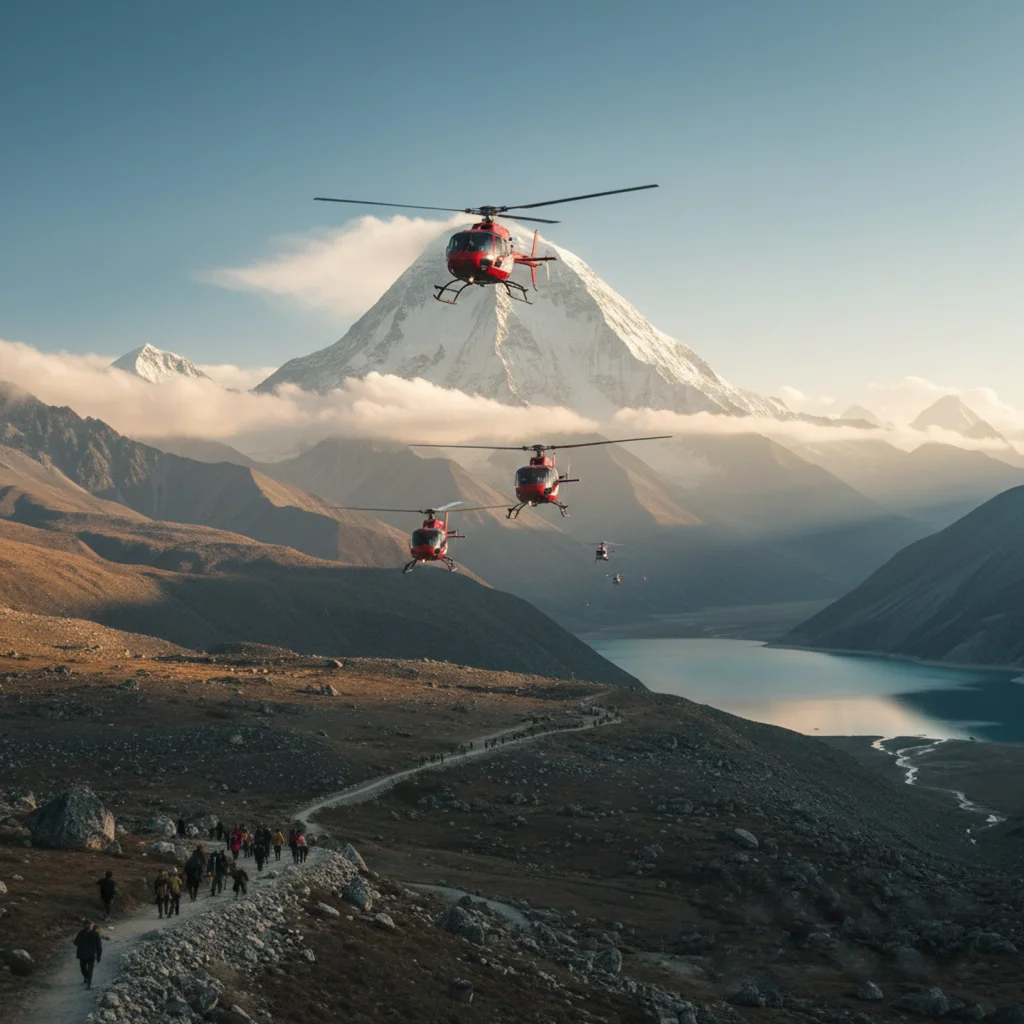
The Helicopter Route: Ideal for those with limited time, flying from Kathmandu to the border at Hilsa.
Essential Travel Tips for 2026
Acclimatization: The thin air can lead to Altitude Sickness. It is vital to follow medical guidelines similar to those provided by the High Altitude Medicine Guide.
Permit Timeline: Due to the 2026 Horse Year demand, permit processing should be started 60 days in advance.
Packing: Temperatures swing from 15°C to -10°C. High-SPF sunscreen and polarized sunglasses are non-negotiable.
Environmental Consciousness
Climate change is affecting the Tibetan Plateau at a rate significantly higher than the global average. As pilgrims, it is a spiritual duty to practice Sustainable Yatra principles. For more on how to protect high-altitude environments, refer to the Leave No Trace Center for Outdoor Ethics.
Conclusion: A Journey Within
The Kailash Mansarovar Yatra is more than a trek; it is a pilgrimage of the soul. Standing on the shores of Lake Mansarovar as the sun rises, one realizes that the external journey is merely a reflection of an internal transformation.
Plan Your Sacred Journey with Travel Dukaan
Are you ready to experience the divine energy of the Fire Horse Year 2026? At Travel Dukaan, we specialize in crafting seamless, spiritually enriching tour packages tailored to your needs. From permit assistance and medical guidance to expert-led Himalayan expeditions, we ensure your focus remains on the divine.
Book Your 2026 Kailash Mansarovar Yatra Today! 👉 Explore Our Exclusive 2026 Kailash Yatra Tour Packages

With over 15 years of experience in the travel industry, Narendra Rathore is the proud owner of Travel Dukaan, a premier travel agency based in Gota, Ahmedabad. As a tour operator, Narendra’s expertise and passion for travel have guided countless clients to unforgettable destinations. His deep knowledge of the industry and commitment to exceptional service make him a trusted resource for travel enthusiasts seeking their next adventure.